


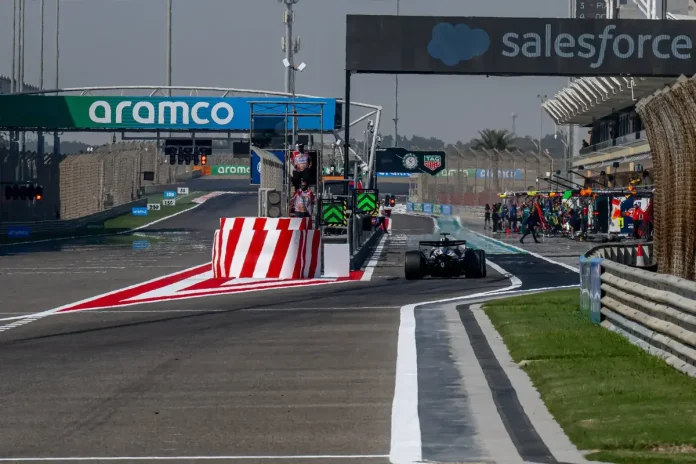
In a dramatic twist for Formula 1 fans, the future of the Bahrain and Saudi Arabian Grands Prix hangs in the balance, as tensions escalate in the Middle East. With the United States and Israel launching air strikes against Iran, uncertainty looms over these highly anticipated races scheduled for 2026. Sources reveal that the FIA and FOM are closely monitoring the situation, but a swift decision on the fate of these events is far from guaranteed.
FIA president Mohammed Ben Sulayem has stated emphatically that the paramount concern will be the “safety and wellbeing” of all involved. This declaration emphasizes the gravity of the situation, especially in light of the recent postponement of the World Endurance Championship event in Qatar, originally slated for March 28. The decision to delay the Qatar race was made quickly, but the circumstances surrounding Bahrain and Saudi Arabia are far more intricate.
The packed F1 calendar leaves no room for flexibility; if the races in Bahrain and Saudi Arabia are canceled, there are no available slots for rescheduling later in the year. This reality puts immense pressure on the governing bodies as they weigh the risks against the potential economic fallout of losing such marquee events. The clock is ticking, with equipment scheduled to travel to Bahrain shortly after the Japanese GP in three weeks. A decision will need to be made within the next fortnight to avoid logistical chaos.
There is a growing consensus within the F1 paddock that unless tensions cool swiftly, the risks associated with proceeding in Bahrain and Saudi Arabia are simply too high. The prospect of losing these races leaves a significant void in the schedule, creating a potential gap from the Japanese GP on March 29 to the Miami GP on May 3. This scenario has prompted discussions about possible last-minute replacements, including the potential for races at Imola and Portimao, or even a double-header in Japan.
However, insiders indicate that the enthusiasm for scrambling to fill these slots is waning. The possibility of adding another race in Japan has diminished due to the strain it would place on teams that will have already been traveling since the Australian GP. While it’s technically feasible to arrange races at Imola or Portimao within the given timeframe, the complexities involved make it an uphill battle. Unlike the frantic pace of the COVID era, where F1 quickly adapted to fulfill television contracts, the current landscape offers no such urgency given that the calendar is already filled with 22 races.
Financially, the stakes are significant for the teams, as losing two races would mean a decrease in income derived from the year’s commercial rights. However, McLaren CEO Zak Brown has noted that while the financial implications are a concern, the priority remains the safety and integrity of the sport. “It all kind of depends: do the races get replaced, do they get delayed, and the economics around that. But I think, given what’s going on, we’re not bothered if it does have a little bit of a financial impact,” he said.
As F1 CEO Stefano Domenicali prepares for his regular meeting with team principals in Australia, the impending decision regarding the Middle East races will dominate the agenda. All signs suggest that the ultimate choice will revolve around the viability of the Bahrain and Saudi events. If they are scrapped, fans may face a month-long gap without any Formula 1 action in April, a lengthy hiatus that could leave the motorsport world reeling. The stakes have never been higher, and the eyes of the sporting world are fixed firmly on how this situation unfolds.