


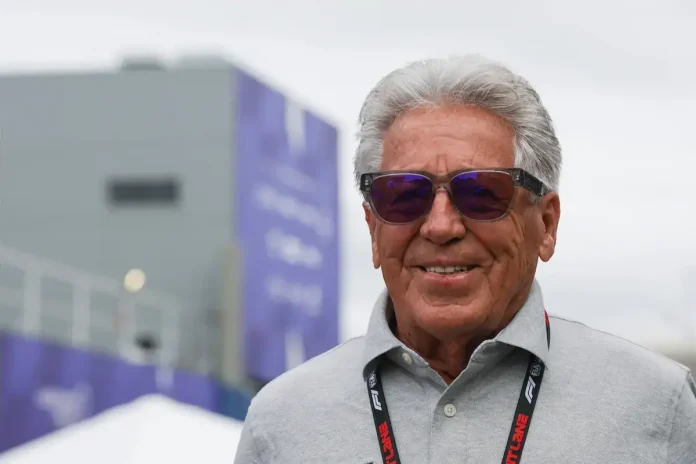
The arrival of Cadillac in the fiercely competitive world of Formula 1 has sparked conversations, but not in the way the brand had hoped. As the spotlight shines on Sergio Perez and Valtteri Bottas, the two drivers seem to struggle to make their mark. Enter Mario Andretti, the legendary figure in motorsport, who has stepped up to voice his concerns. His message is crystal clear: Cadillac is playing it too safe.
Andretti has not held back in his criticism. He believes the root of the issue lies with the drivers. “What interests me most is to hear from the drivers… and frankly, I think they're lacking a bit of pace,” he states without hesitation. This blunt assessment highlights a fundamental problem that Andretti sees stemming from the drivers' inactivity and the challenges of adapting to the new regulations. “They haven’t driven for at least a season… and with all this new setup, they're being very cautious,” he explains. Essentially, Perez and Bottas appear to be driving with the handbrake on—a strategy that may keep them safe but comes at a significant cost in terms of performance.
On the technical side, the situation is equally dire. Andretti has pinpointed a critical issue: “Clearly, we are lacking aerodynamic downforce, especially at the rear.” This is a common hurdle for a rookie team, but it exposes Cadillac's vulnerabilities on the track. However, he adds a note of perspective: “This is not our only problem… and we are not the only ones facing these challenges.” The competition is tough, with even established teams like Mercedes and Ferrari experimenting as they navigate this transitional phase in 2026. Yet, some teams seem to be adapting at a far faster pace than others.
Andretti further emphasizes the complexities of driving the new generation of Formula 1 cars. “To exploit the chassis, you need to relearn how to use the throttle… everything has changed,” he notes. This monumental technical challenge makes the current experience daunting for drivers. “I’m not sure I envy the drivers right now. I’m almost glad to be on the sidelines,” he confesses, a rare admission that underscores the brutal reality of this new era in racing.
Beyond merely diagnosing the problems, Andretti sends a strategic wake-up call to Cadillac. His message is unequivocal: “We need to be realistic… but we want to feel that we are making progress.” He sets a clear goal: “By the end of the season, we should be able to compete for the top 10… or even better.” The underlying philosophy is simple yet powerful: “You have to think big.” Even if it invites criticism, Andretti insists, “I’ve always done that, even to the point of being ridiculed… but that’s the only way to win.”
As Cadillac forges ahead, Andretti's words linger ominously: is the American team already jeopardizing its credibility? With drivers who are playing it too safe and a car that is still fragile, Cadillac is making its way forward, albeit without making a bold impression. In a championship that evolves at breakneck speed, a pressing question arises: Can Cadillac learn quickly enough, or is it on the verge of stumbling during its debut?