


In the high-octane world of Formula 1, the pit stop strategy often becomes the battleground for supremacy, as fans witnessed during the gripping 2019 Hungarian Grand Prix. It was a classic showdown where Max Verstappen's bold attempt to clinch victory with a one-stop strategy was thwarted by the relentless two-stopper Lewis Hamilton, who surged ahead on fresher tyres to claim the win. This stark contrast between strategies has long fueled debates among teams and fans alike, and as the 2026 season unfolds, the tension is palpable.
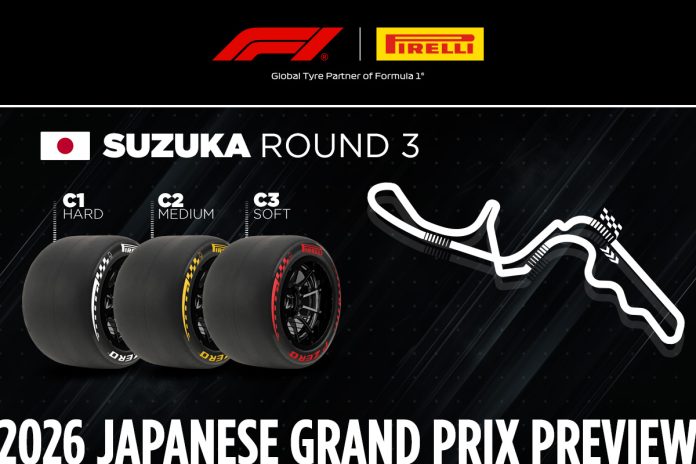
As we dive into the early rounds of the 2026 campaign, it’s evident that the one-stop strategy has become alarmingly prevalent. With Mercedes sweeping victories in Australia and China using a straightforward one-stop approach, the landscape of pit strategies appears stagnant. This shift can largely be attributed to the new regulatory environment and the changes in tyre technology that have emerged. Pirelli, the tire supplier, has upgraded its offerings, phasing out the softer C6 compound and opting for a more robust range of C1 to C5 tyres. This shift has drastically altered how teams approach race strategy, as the new regulations have seen a significant reduction in car weight—down by an impressive 32kg—which translates to decreased downforce and, consequently, less strain on the tyres.
Drivers are now frequently forced to manage their energy, often lifting and coasting to conserve battery power. This shift has resulted in slower lap times, with pole positions in China last year clocking in 1.423 seconds faster than the current pace. The implications are clear: with less load on the tyres, durability has skyrocketed, making the one-stop strategy not just viable, but often preferable.
Yet, this is merely the beginning of a new regulatory cycle, and the calls for adjustments are growing louder. Pirelli's motorsport chief, Mario Isola, has acknowledged the need for flexibility in tyre selection to enhance strategic diversity. “The target for the new tyres was similar to last year, so to have a mix of one-stop, two-stop with the three compounds suitable for the race,” Isola stated, hinting at the potential for change as teams adapt to these new machines.
Isola's insights shed light on the complexities of tyre performance under the new regulations. “There is a different footprint, there is a different torque, there are different elements,” he noted, emphasizing that initial selections might not be ideal as the teams gather more data. This adaptability could prove crucial as teams face varying conditions across the calendar.
As Isola elaborated, “We will consider that in general, so if in some circuits we need to go one step softer, there is the possibility to change the selection.” This adaptability echoes the 2017 season, where a one-stop strategy dominated, leading to the introduction of a wider range of tyre compounds to foster more dynamic racing strategies.
However, the conversation about potential adjustments for the 2027 season remains speculative. The rapid evolution of car development means that what works now may not hold true later in the year. “There is also this element that cars that are running now are probably quite different from cars that are going to run in the second half of the season,” Isola cautioned, hinting at the unpredictable nature of F1 development.
As fans and teams alike grapple with the evolving dynamics of the sport, one thing is clear: the battle for tyre supremacy and strategic advantage is far from over. With Pirelli considering their options and teams continuously innovating, the upcoming races promise to deliver the high-stakes drama that F1 enthusiasts crave. The stage is set for a thrilling season, and only time will reveal how the strategies will unfold.