


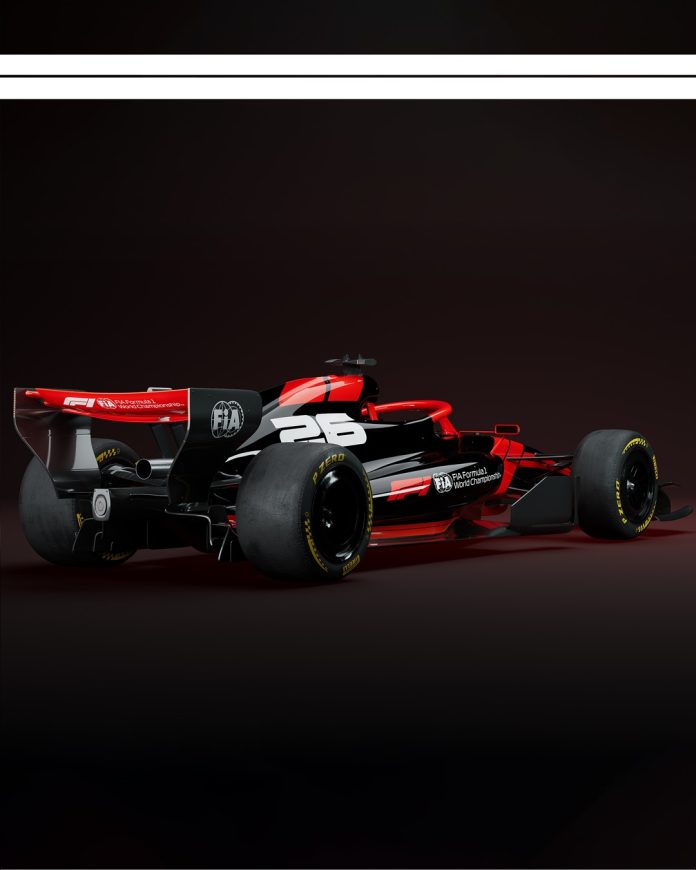
In a monumental shift set to redefine the landscape of Formula 1 racing, the sport has announced the introduction of “Overtake Mode” as a replacement for the traditional DRS, starting from the 2026 season. This revolutionary change is being heralded as the most significant regulatory overhaul in the history of F1, with experts like Sky Sports F1 commentator Martin Brundle calling it “the biggest ever.”
The new regulations will empower drivers with cutting-edge technology, featuring moveable front and rear wings, providing them with enhanced control and strategic options on the track. This innovation allows drivers to adjust their aerodynamic setup throughout the race, a game-changing development that will be accessible on every lap. Additionally, the drivers will have a “Boost Mode” at their fingertips, enabling them to unleash maximum power from their engine and battery at critical moments. With 50 percent of this power derived from electrical energy, the new setup is reminiscent of the KERS system that electrified the grid from 2009 to 2013.
F1’s latest announcement promises to shift the dynamics of racing, putting “more power in their hands than ever before,” as drivers will now need to master the art of maximizing lap times during qualifying and engaging in thrilling wheel-to-wheel duels. The Overtake Mode will be activated when a driver is within one second of an opponent at a designated detection point, mirroring the DRS rules but with the potential for more dramatic outcomes. While specifics about the duration of Overtake Mode usage are still under wraps, the combination of this mode and Boost Mode is expected to heighten the excitement on the track, making it easier for racers to follow and overtake their rivals.
Mercedes driver George Russell anticipates a surge in overtakes during the 2026 season, predicting that drivers will execute maneuvers in unexpected locations. “I think you will see more overtakes next year, but more overtakes in obscure locations – in locations where we’ve never seen overtakes before,” Russell stated. This could lead to breathtaking moments where a driver, low on battery, is suddenly outpaced by a rival with a power advantage, showcasing a new layer of strategic depth to racing.
The most eye-catching element of the new regulations will undoubtedly be the Active Aero moveable wings. These wings will operate in a default mode for corners, optimizing downforce, but drivers can switch to “Straight Mode” on designated straights, enhancing drag and boosting top speeds. This increase in velocity will create longer braking zones, opening the door for daring overtaking maneuvers reminiscent of Daniel Ricciardo’s iconic outbraking tactics.
The revamp doesn’t stop there; the power units will now consist of a balanced 50 percent internal combustion and 50 percent electric power, with significant enhancements to the MGU-K component, raising its capacity from 120kW to 350kW. This shift may encourage drivers to strategically lift off at the end of straights to recover more electrical energy, leading to exhilarating racing scenarios where skilled drivers capitalize on their rivals’ mistakes.
As Williams driver Alex Albon noted, “Look at Formula E as a more extreme version as to where we’re going to go to.” The emphasis on driver intelligence and adaptability will be crucial, as those who can best manage these new demands will likely excel.
The 2026 season promises to be a thrilling spectacle for fans, with live coverage starting with the Australian Grand Prix from March 6-8. The anticipation is palpable as the F1 community braces for a new era of racing that combines technology, strategy, and pure adrenaline like never before.