


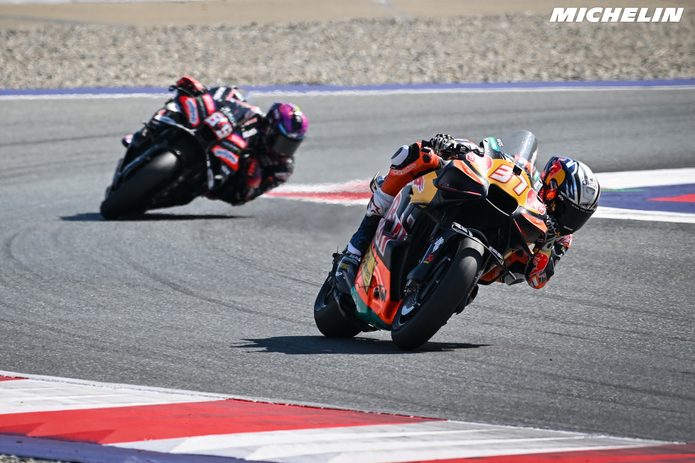
Pedro Acosta's victory at the recent Austrian Grand Prix not only marked his first win in MotoGP but also unfolded a narrative of tension and triumph that reverberates throughout the paddock. As the 18-year-old KTM rider crossed the finish line, his achievement was celebrated against the backdrop of contrasting fortunes for rivals like Ducati and Marc Márquez, who both faced significant challenges. This moment encapsulates the essence of MotoGP: where victory is often shadowed by the relentless pressure and unpredictability that define the sport.
Acosta's emotional triumph at the Red Bull Ring was not merely a personal victory; it represented a culmination of hard work and strategic evolution for both the rider and the KTM team. In a season punctuated by fierce competition, Acosta's win resonated with fans and insiders alike, highlighting the sheer joy of overcoming obstacles in a sport that demands both physical prowess and mental fortitude. “Llevaba mucho tiempo sin ganar, se lo merecía,” Dovizioso reflected, emphasizing the long-awaited nature of Acosta's success, which felt like a fairy tale ending to a challenging chapter.
Chronologically, the race unfolded with high stakes from the start. Acosta, who had been consistently improving, managed to showcase a flawless performance, taking advantage of his competitors’ misfortunes. Ducati’s struggles were evident as neither of their riders managed to secure a podium finish, while Marc Márquez grappled with brake issues that hindered his race strategy. Dovizioso, commenting on the events, pointed out how Acosta's late braking — a risky yet skillful maneuver — was pivotal. “Verlo frenar es algo exagerado,” he noted, acknowledging the delicate balance between aggression and control that Acosta displayed throughout the race.
The implications of the Austrian Grand Prix extend far beyond the podium. Acosta's success raises questions about the evolving dynamics within MotoGP, particularly regarding KTM's rising competitiveness compared to established teams like Ducati and Aprilia. Dovizioso's observations about the KTM's performance suggest that while Acosta's talent is undeniable, the bike's configuration also plays a critical role. This scenario underscores the strategic complexities teams face in a championship where every detail can lead to victory or defeat.
The human element is palpable in MotoGP, where the pressure of the competition weighs heavily on riders. For Acosta, the thrill of victory is accompanied by the expectations that come with being a young talent. His move to Ducati in 2027 has already stirred discussions about future prospects, but for now, his focus remains on celebrating this significant win. Meanwhile, Márquez’s ongoing struggles highlight the fragility of even the most seasoned athletes in the sport. The emotional toll of racing is compounded by mechanical failures and the relentless pursuit of perfection, making each race a high-stakes gamble.
In conclusion, Pedro Acosta's victory at the Austrian Grand Prix is a powerful reminder of the unpredictable nature of MotoGP. It encapsulates the joy of triumph amidst adversity and highlights the intricate balance of risk and reward that defines the sport. As the championship heads into the Asian tour, Acosta's win serves as both a personal milestone and a broader message about the relentless pursuit of excellence in a world where every moment counts.