


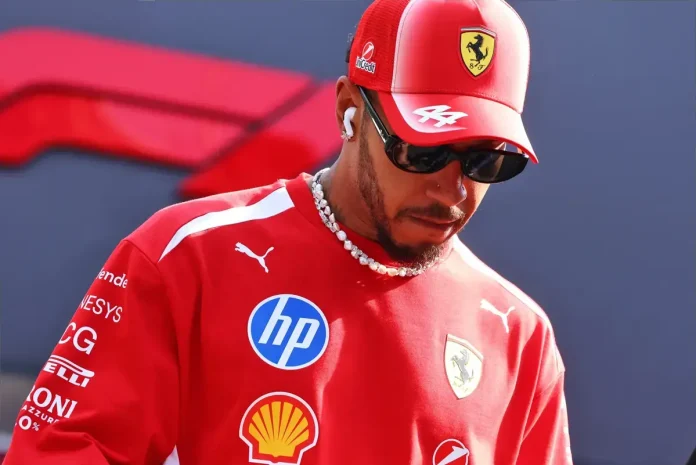
Lewis Hamilton’s outspoken opposition to the decision to shorten Formula 1 race lengths reveals a deeper rift in the sport regarding its future direction and identity. As the governing body of F1 moves to reduce standard grand prix distances from 305 km to 290 km beginning in the 2027 season, Hamilton stands firm in his belief that the championship's allure lies in the endurance and strategy of longer races. This pivotal moment highlights a clash not just over race lengths, but over the essence of competition itself.
The announcement was made on Monday, sparking immediate debate among fans and drivers alike. The rationale behind the change, primarily aimed at cutting costs linked to chassis modifications required for next year's reworked power units, seems pragmatic on the surface. However, it raises questions about the sport’s commitment to maintaining high-octane drama and the unpredictability that longer races often create. Hamilton's remarks encapsulate a sentiment that resonates with many: extending race durations fosters a richer narrative, engaging fans and pushing drivers to their limits.
Chronologically, the decision follows a series of strategic adjustments within F1, which has seen significant changes in regulations aimed at fostering competition. The 2027 season will introduce not only the modified power units but also a new era of sustainability, including the use of fully sustainable fuels. While these advancements are heralded as progress, the decision to shorten race distances marks a significant shift in how the sport defines itself. Hamilton’s argument suggests that in the pursuit of cost-effectiveness, F1 risks losing the very essence that draws fans to the sport—endurance and the battle for supremacy over a grueling race.
This shift matters deeply. Reducing race lengths could inadvertently dilute the stakes involved. Longer races often serve as a test of both physical and mental endurance, showcasing the drivers’ skills in navigating complex strategies while battling fatigue. For teams, the dynamic of a longer race introduces an element of unpredictability that can turn the tide of a championship. Hamilton’s perspective is that the thrill of racing is not merely about speed but about resilience, strategy, and the human spirit.
The human dimension of this decision is significant. Drivers like Hamilton, who have poured their lives into mastering the sport, face immense pressure to perform under changing circumstances. For families and teams, the implications are profound. A shorter race may diminish the emotional roller coaster that accompanies longer events, where every lap counts and every decision can lead to triumph or disaster. Spectators, too, crave the drama that unfolds over time—the heart-stopping moments that make the sport memorable.
In conclusion, Hamilton's dissent against the decision to shorten F1 races is more than a mere disagreement; it is a clarion call to protect the soul of motorsport. As Formula 1 navigates its evolution toward sustainability and affordability, the challenge will be to balance these changes with the fundamental elements that have captivated audiences for decades. The heart of racing lies in its complexity and endurance, and as the sport moves forward, it must not lose sight of what makes it great.