


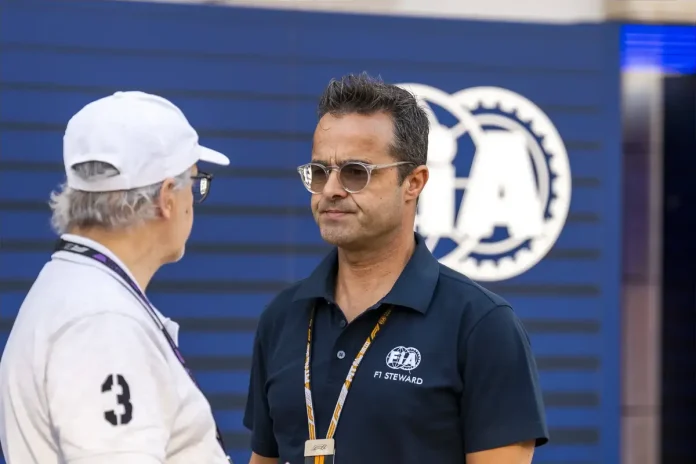
The landscape of Formula 1 is poised for a seismic shift in 2026, as the FIA rolls out a radical overhaul of the International Sporting Code, ushering in a new era for race stewards. This transformative initiative is set to redefine the authority of officials, potentially impacting outcomes and decisions that could alter the championship’s trajectory.
One of the most groundbreaking changes involves the process of revising decisions made during races. Previously, teams had to present “new significant and relevant elements” within 96 hours of an event to contest a steward’s ruling. This stringent requirement was notably utilized by Williams in the aftermath of the 2025 Dutch Grand Prix, where they successfully challenged penalties against Carlos Sainz for an incident involving Liam Lawson. However, in a move aimed at enhancing fairness and efficiency, stewards will now have the autonomy to initiate their own hearings to review decisions if they uncover new information post-verdict.
The updated rules state: “In competitions that are part of an FIA World Championship, the FIA Formula 2 Championship, or the FIA Formula 3 Championship, the stewards may also decide to review their decision on their own initiative if they discover a new significant and relevant element that was not available to them at the time of the decision.” This shift not only empowers officials but also aims to foster a more just competitive environment.
Additionally, the FIA is introducing a novel concept with the establishment of a panel of off-event stewards. Under the current framework, any outstanding decisions from officials would have to wait until the commencement of the next racing event for resolution. This often led to delays that could affect team strategies and championship standings. Starting in 2026, however, stewards will be able to delegate their decision-making authority to a panel of at least five experienced members, who can operate independently of the race calendar. This means urgent matters—such as those arising during the summer or winter breaks—can be addressed promptly, ensuring that all teams have clarity and fairness without unnecessary delays.
The hearings conducted by this off-event panel will primarily take place via videoconference, but in cases deemed particularly intricate or sensitive, in-person meetings can be arranged, provided the involved parties agree to cover the associated costs.
As Formula 1 gears up for these significant regulatory changes, the implications for teams, drivers, and the sport as a whole could be profound. With greater flexibility for stewards to revisit decisions and the introduction of a specialized panel to handle urgent matters swiftly, the stage is set for a more dynamic and responsive governance structure in the world of motorsport. Fans and professionals alike will be watching closely as the 2026 season unfolds, eager to see how these changes impact the drama and excitement that F1 is renowned for.