


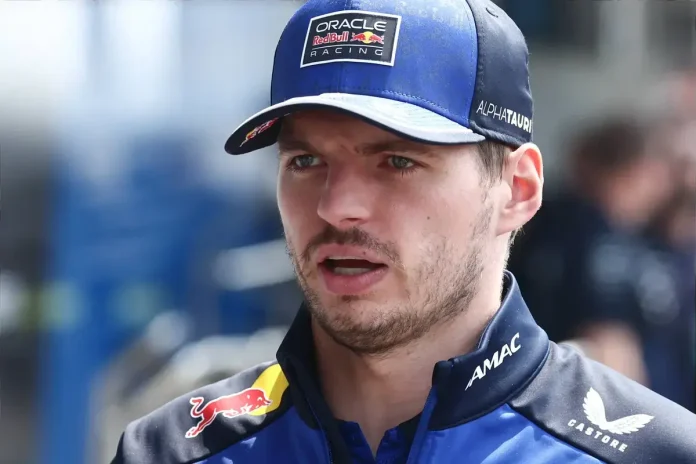
The shockwaves continue to ripple through Formula 1 as Max Verstappen openly questions his future in the sport, citing frustration with the upcoming 2026 technical regulations that drastically increase the electric component of the cars. The reigning four-time world champion’s candid admission after a disappointing eighth-place finish at the Japanese Grand Prix has sent alarm bells ringing across the paddock.
Verstappen’s public doubts about continuing to race have not only stunned fans but also sparked fierce debate among former F1 stars. Eddie Irvine, the outspoken ex-Ferrari driver, has delivered a brutal and unfiltered response, dismissing the notion that Formula 1’s very existence depends on Verstappen. According to Irvine, the sport boasts a deep reservoir of emerging talent ready to fill any void left by the Dutch superstar.
In a scathing commentary, Irvine told Gazzetta dello Sport that the sport “does not need Max,” emphasizing that many skilled drivers are eager to compete at the highest level. He suggested that Verstappen’s struggles in the midfield may be weighing heavily on him, but also pointed to the massive financial incentives that make it hard for the Red Bull ace to walk away. “Considering his salary, there are more than 50 million euros of solid reasons for him to stay,” Irvine remarked, highlighting the immense pressure and privilege tied to top-tier contracts.
Verstappen’s criticism centers on the sport’s shift toward hybrid and electric technology, a move intended to modernize F1 but one that has clearly unsettled its most dominant figure. This internal conflict raises critical questions about the direction of Formula 1 and whether its evolution will alienate the very athletes who have defined this era.
The drama unfolding around Max Verstappen’s potential exit is more than just a personal crossroads; it is a pivotal moment that could reshape the competitive landscape of Formula 1. With Irvine’s blunt dismissal of Verstappen’s indispensability, the message is clear: the sport is bigger than any one driver, no matter how decorated. But the void left by Verstappen’s departure would undoubtedly trigger seismic shifts in team dynamics, fan engagement, and the championship battle itself.
As the paddock braces for what could be a defining off-season, all eyes remain locked on Verstappen and the future of Formula 1’s technical regulations. Will the sport retain its brightest star, or are we witnessing the start of a new era where fresh faces rise amid changing technologies? The answers will shape the narrative and excitement of Formula 1 for years to come.