


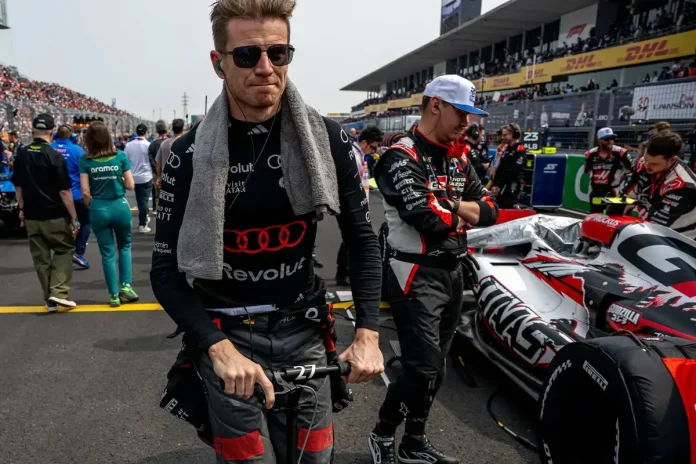
Nico Hulkenberg finds himself torn between excitement and frustration as Formula 1’s revolutionary 2026 cars continue to stir controversy across the paddock. After three races into the new season, the debate around the latest technical regulations and energy management systems remains heated, dividing drivers and fans alike.
Some of the sport’s biggest names, like Charles Leclerc and Max Verstappen, have publicly slammed the new cars, with Leclerc even likening the racing to a chaotic “Mario Kart” experience. Meanwhile, Lewis Hamilton has praised the innovations, highlighting the potential for more strategic depth and thrilling battles on the track. Amid this polarized atmosphere, Hulkenberg’s stance is far more nuanced. The German driver, now with Audi, admits to feeling both the thrill and the annoyance that comes with managing the new energy rules.
Speaking after the Japanese Grand Prix, Hulkenberg opened up about his conflicted emotions toward the energy management gimmick that has become central to the 2026 season. “With the energy stuff, in a way, it’s interesting and fun, but at the same time, it’s also weird and frustrating,” he revealed. He described the delicate balancing act drivers face when trying to make overtakes or defend positions without overspending the limited energy reserves, which can lead to severe power reductions and leave them vulnerable on the straights. “You do the move, but you’re just; you really have to pick your fights, and it’s so easy to overspend and get a big de-rate and be a sitting duck.”
Hulkenberg also pointed out that while the races might look exciting on television, the reality behind the wheel is a different story, with massive closing speeds and complex energy strategies adding layers of challenge and unpredictability. This duality—between entertainment value and driver frustration—captures the essence of the ongoing debate around Formula 1’s bold technical shift.
For Hulkenberg, the 2026 season is also a personal journey as he adapts to Audi’s inaugural F1 campaign. The German marque has impressed with flashes of strong performance, notably from young talent Gabriel Bortoleto, who has frequently reached Q3 shootouts. Hulkenberg himself has shown competitive pace, flirting with top-10 finishes, but consistency remains elusive, and new challenges continue to emerge.
One of Hulkenberg’s biggest hurdles has been mastering the revamped race start procedures. The former Renault driver admits that a poor getaway in Japan likely cost him valuable points, highlighting an area where Audi and he must improve. “I think with a regular start, there were obviously points on the table, which is disappointing and frustrating,” he said candidly. “So, we need to get on top of that. It’s a work in progress and more work on that side, for sure.”
Looking ahead, Hulkenberg is eager to dissect the technical and operational nuances with his engineering team to unlock better performance from the car. The lack of a Grand Prix in April offers a rare window to address these lingering issues and prepare for a stronger showing from Miami onwards. This break couldn’t come at a better time for the Audi squad, which is still finding its feet in the fiercely competitive midfield pack.
As Hulkenberg navigates this challenging debut season with Audi, his candid reflections expose the raw realities behind Formula 1’s latest revolution. While the energy management aspect adds a fascinating strategic dimension, it also tests drivers’ patience and adaptability like never before. Hulkenberg’s conflicted feelings embody the current F1 era—a thrilling, unpredictable blend of innovation and growing pains that will define the sport’s future.