


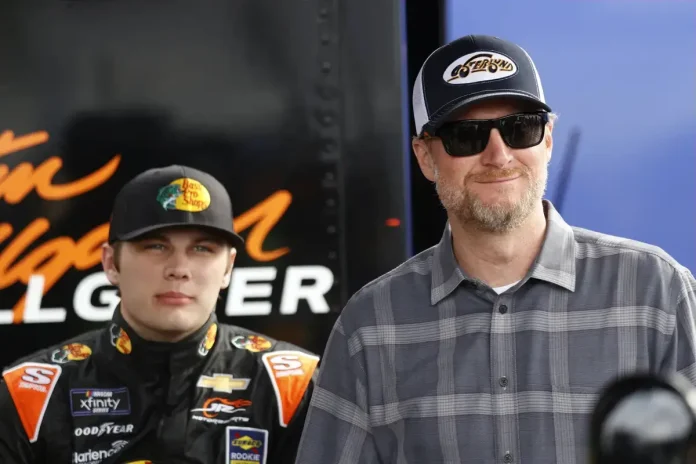
Dale Earnhardt Jr. is shaking the foundations of NASCAR with a bold call to resurrect Rockingham Speedway, a track that once stood as a crown jewel in the Cup Series until it vanished from the schedule in 2004. While NASCAR’s calendar continues to swell with glitzy new venues and street courses, Earnhardt Jr. is fiercely advocating for a return to Rockingham, a place steeped in racing tradition and raw, old-school NASCAR grit.
On a recent episode of Dirty Mo Media, Earnhardt Jr. didn't hold back his frustration, laying bare a sentiment shared by many die-hard fans. “There’s still part of me that’s kind of annoyed that we left in the first place,” he admitted, refusing to let the debate die quietly. “I don’t want to kind of beat this dead horse. I would love for us to go back there.” His words hit like a rallying cry, reminding NASCAR of the rich heritage and loyal fanbase tied to the North Carolina track.
Yet, Earnhardt Jr. is no stranger to the harsh realities that complicate a Rockingham revival. He acknowledged the evolving landscape of NASCAR and the lure of fresh opportunities that have emerged in recent years. “We got this core fan base that loves Rockingham, loves full-season points, loves all these things that are very traditional and connected to the history of the sport. We also have doors opening to us that weren’t open before,” he explained, pointing to groundbreaking events like the San Diego race and the Chicago Street Course. These urban spectacles tap into new markets and audiences, something Rockingham struggles to match.
The battle to bring Rockingham back is more than just nostalgia; it’s a clash between history and business. The track’s last Cup race was nearly two decades ago, and despite a hefty $9 million state-backed renovation, NASCAR has only dared to reintroduce it in the lower-tier series, signaling hesitance to elevate it back to the sport’s highest level. The crux of the issue lies in Rockingham’s market size and commercial viability. Unlike booming urban events that pull in massive crowds and lucrative sponsorships—like the Chicago Street Race that packed 50,000 fans—Rockingham’s attendance and financial muscle remain modest.
In 2025, Rockingham drew 25,000 fans during a race weekend, a respectable figure but one that underscored its struggle to thrive independently. The track was even listed for sale shortly after, sparking urgent calls from local officials to rally community support and stave off closure. Even with an additional $2 million investment, Rockingham’s survival seems tethered to external funding rather than organic growth, raising tough questions about its future on the Cup Series circuit.
NASCAR faces a brutal dilemma: honor its roots by returning to a beloved but commercially constrained Rockingham, or continue to chase expansion into new, affluent markets with cutting-edge facilities that promise bigger profits and fresh excitement. With a packed 36-race schedule, there’s little room to maneuver without cutting ties somewhere else, making the decision even more contentious.
Despite the odds, the dream remains alive. Earnhardt Jr.’s plea shines a spotlight on the importance of preserving NASCAR’s heritage while balancing the sport’s growth ambitions. The hope is that lower-tier races at Rockingham can build momentum, reigniting fan passion and eventually paving the way for the Cup Series to roar back onto the historic track’s asphalt.
The fight for Rockingham’s comeback isn’t just a race against the calendar; it’s a battle for NASCAR’s soul. Fans and legends alike watch eagerly to see if tradition can triumph over business in a sport hurtling toward an uncertain future.