


The landscape of MotoGP is undergoing a seismic transformation that is anything but superficial. With Liberty Media stepping into the arena, the shift from Dorna to what is now being branded as “MotoGP Sports Entertainment” marks a pivotal change in how motorcycle racing is perceived and executed. Gone are the days when MotoGP was merely about high-speed competition; it now embraces a broader vision that blends sport and entertainment into a captivating spectacle.
This metamorphosis hints at an era where the essence of MotoGP is encapsulated not just in thrilling races but in creating an entire entertainment experience. Liberty Media is not imposing a rigid framework; instead, they are carefully laying the groundwork with what has been dubbed a “wishlist.” This list comprises recommendations aimed at evolving the sport while maintaining a collaborative atmosphere with the teams. It’s a gentle nudge toward new standards rather than a heavy-handed directive.
At the heart of this evolution lies the crucial negotiation between manufacturers and Liberty Media, which will shape the future of MotoGP from 2027 to 2031. The stakes are incredibly high, as the absence of key players like Ducati, Honda, Yamaha, and KTM would spell disaster for the championship. Interestingly, Liberty Media has already forged an agreement with IRTA and satellite teams that reportedly tripled the bonuses these teams receive, a strategic move to consolidate power and avoid friction on multiple fronts.
However, the real challenge looms ahead. While it may be straightforward to strike a financial deal with manufacturers, the call for a share of television revenue—a demand reminiscent of Formula 1’s “Concorde Agreement”—poses a more complex dilemma. Carmelo Ezpeleta, the previous figurehead, had long resisted such notions, adhering to a “divide and conquer” philosophy. Now, however, manufacturers are presenting a united front, with Lin Jarvis, the former Yamaha chief, stepping in as the negotiator for this collective.
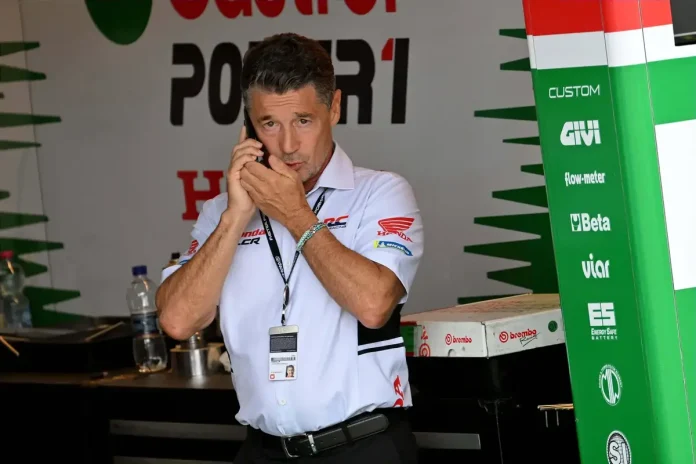
To gain insight into this unfolding scenario, we turned to Lucio Cecchinello, the new president of IRTA, who succeeded Hervé Poncharal after two decades. Cecchinello revealed that the association of teams is often only informed of political decisions after they are made, highlighting a disconnect in the decision-making process. He did, however, address rumors regarding the potential downsizing of Moto3 and Moto2, confirming that Carlos Ezpeleta had dismissed such speculation in a recent meeting. This plan to segregate the paddock into distinct divisions was also quashed, ensuring that MotoGP will continue to embrace its junior classes.
As MotoGP Sports Entertainment navigates through these changes, the focus remains firmly on solidifying its role as the centerpiece of grand prix events. The organization is making strategic moves reminiscent of a chess game, aiming for dominance while being attuned to the reactions of competitors and stakeholders alike. In an intriguing addition to their wishlist, a proposal for a minimum salary of €500,000 for MotoGP riders has surfaced, framed as a recommendation rather than a mandate. Cecchinello noted that while this would be beneficial, particularly for the less lucrative Moto3 and Moto2 classes, it reflects Liberty’s desire to elevate the sport’s profile.
As the chess match continues, the ultimate question remains: how much of Carmelo Ezpeleta’s legacy—his vision, strategies, and policies—will survive this transformation? The future of MotoGP is not just about racing; it’s about redefining the entire narrative of motorsport entertainment, and the stakes have never been higher. As fans, teams, and manufacturers brace for this significant shift, the excitement surrounding what lies ahead grows palpable.