


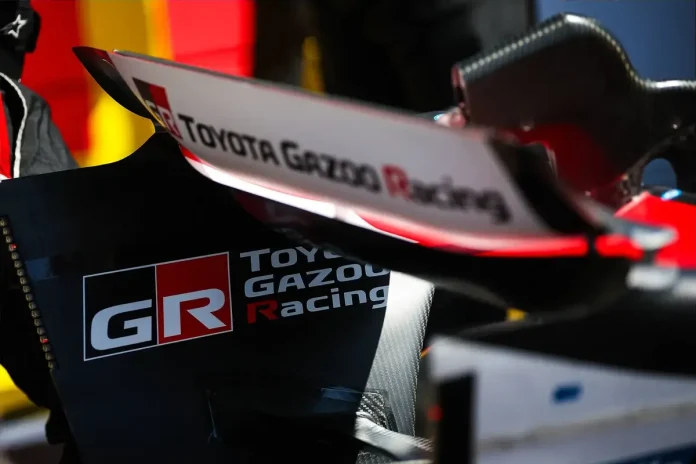
In an electrifying shift in the world of Formula 1, Toyota’s burgeoning partnership with Haas is poised to reshape the competitive landscape as we approach the 2026 season. Ayao Komatsu, the team principal of Haas, has shed light on the transformative dynamics of this collaboration, which recently saw Toyota Gazoo Racing step in as the new title sponsor following the conclusion of Haas’ previous sponsorship deal with Moneygram.
The implications of this partnership extend far beyond mere branding. Toyota’s involvement, which began as a technical collaboration in late 2024, has already enabled Haas to embark on an ambitious Testing of Previous Cars (TPC) program throughout 2025. This initiative has not only bolstered the team’s resources but has also led to the introduction of a state-of-the-art simulator at their Banbury facility, set to launch in 2026. The stakes are high as this partnership offers Toyota a premier testing ground for its drivers and the chance to sharpen the skills of its personnel.
With this new title sponsorship, the vision of Haas gradually evolving into a works Toyota F1 team is tantalizingly within reach. Historically, Toyota has not been a minor player in Formula 1; its last independent foray into the sport ended in 2009. Team owner Gene Haas’s steadfast commitment to retaining ownership of the team has been reaffirmed by Komatsu, yet whispers of an even deeper relationship with Toyota suggest the possibility of a future where the automotive giant could take a minority stake in the team. This avenue could pave the way for a seamless transition should Haas ever choose to step back from the franchise he founded in 2016.
Despite the buzz surrounding this potential evolution, Komatsu emphasizes that the primary aim of the partnership is to enhance the competitiveness of Haas, not to simply boost Toyota’s brand visibility. “Toyota’s objective is not really branding; Toyota’s objective is to make us competitive, grow people, and make this team competitive together,” Komatsu stated firmly during a recent media briefing. This clear focus on human resource development and competitive excellence underscores a strategic move to cultivate talent in one of the most challenging environments in motorsport.
Looking ahead, the synergy between Haas and Toyota is expected to deepen, with both teams maintaining transparency in their operations, particularly concerning Haas’s longstanding technical partnership with Ferrari. Komatsu highlighted that the fast-paced nature of Formula 1 provides an unparalleled environment for training and development. “In Formula 1, we sort it in two weeks, right? So, in terms of training people, I don’t think you’ll find anything better,” he remarked, indicating Toyota’s broader ambitions for its workforce.
As the 2026 season approaches, Komatsu anticipates a more structured approach to the TPC program, which will expand on the foundational work laid in the previous year. The staff at Haas has surged from 230 to approximately 380 under Komatsu’s leadership, reflecting the team’s growth and the enhanced support from Toyota. This escalation in personnel and resources suggests that Haas is not merely preparing for a new chapter but is gearing up to become a formidable contender in the world of Formula 1.
While many fans speculate about the future of Toyota’s role in the sport, Komatsu insists that the focus remains on gradual improvement rather than an immediate overhaul: “Nothing is going to change overnight. Everything is just a gradual step-by-step improvement.” As Haas races into this new era with Toyota, the motorsport community will undoubtedly be watching closely to see how this partnership unfolds and what it means for the future of Formula 1.