


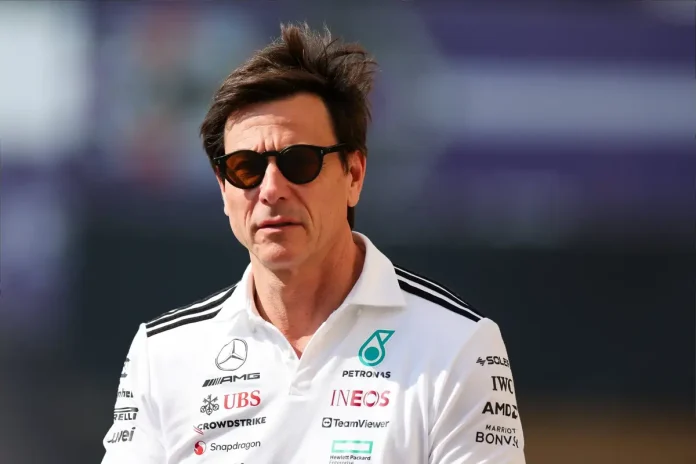
In a striking revelation, Mercedes team principal Toto Wolff has drawn attention to an imminent seismic shift in Formula 1 as the 2026 power unit regulations loom on the horizon. This overhaul is set to radically transform the sport, and Wolff believes it will significantly favor drivers who are adept in the realm of virtual racing, with Max Verstappen emerging as a standout example. Known for his unparalleled commitment to simulator racing, Verstappen has made headlines not just for his on-track prowess but for his unwavering dedication to mastering the virtual circuits, often traveling with a simulator rig to various Grand Prix venues.
The upcoming season promises a radical departure from the norm, introducing a 50/50 split between electric and internal combustion power. This monumental step towards electrification is not merely a technical adjustment; it presents a fresh set of challenges that will test the mettle of both teams and drivers like never before. According to Wolff, the new regulations are designed in such a way that they will cater to those who thrive in a simulator-driven environment.
On the Beyond the Grid podcast, Wolff elaborated on the intricacies of the 2026 engines, stating, “We will be having 50% electric and 50% combustion. We will be needing to compensate for a lack of electric power on every single lap, particularly on the ones with long straights.” This insight delves into the strategic complexities that drivers will face, likening the forthcoming races to a game of chess. “Where is the driver going to deploy his energy? Who is better prepared? I think the generation sim driver will be in a good spot here,” he added, underscoring the strategic depth that will accompany the new power units.
Verstappen’s involvement with the virtual racing community is not just a side note; it is a central pillar of his racing identity. As a key member of Team Redline, he has poured significant resources into honing his skills on simulators, participating in some of the most prestigious virtual racing events globally. This dedication sets him apart and positions him favorably for the challenges that lie ahead.
When probed about whether these regulations will benefit younger drivers, Wolff pondered, “Well, the question is, what is younger drivers? You look at George [Russell] and his generation, Max, they work on the simulator, and they enjoy that. It’s their generation.” His observation highlights a pivotal shift in driver development, suggesting that those who are comfortable in the virtual realm will undoubtedly hold a competitive edge.
As the world of Formula 1 stands on the brink of this exhilarating evolution, it is clear that the fusion of technology and talent will redefine racing dynamics. The stage is set for a thrilling chapter in the sport, one where the virtual and real worlds collide, and those like Verstappen who have mastered both will rise to the forefront. The question remains: who will adapt quickest to this new paradigm, and how will it reshape the competitive landscape of Formula 1? Only time will tell, but one thing is for certain: the race for supremacy has never been more electrifying.