


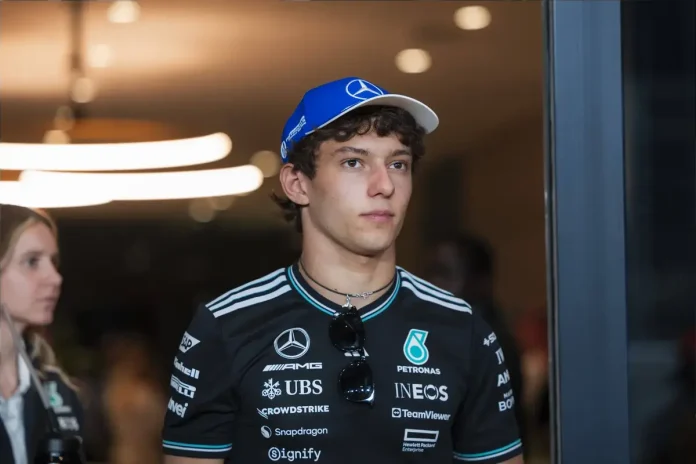
The recent uproar surrounding Kimi Antonelli has sent shockwaves through the motorsport community, igniting a fierce debate over accountability in harassment campaigns. At the heart of this storm is Helmut Marko, a prominent figure whose name has become synonymous with controversy. However, to paint Marko as the sole villain in this saga would be a grave mischaracterization of the broader issue at hand.
Let’s get one thing straight: everyone who engages in a harassment campaign bears direct responsibility for their actions. This includes not just the high-profile perpetrators but also those who hide behind the anonymity of social media, launching cowardly attacks from the shadows. Whether it’s a faceless account with a handful of followers or a public figure commanding a massive audience, the relentless torrent of vile and mindless hatred directed at an individual is utterly unjustifiable and cannot be overlooked.
With this foundational understanding in place, it becomes imperative to examine the systemic factors that allow such toxic behavior to flourish. The motorsport world, like many competitive arenas, often cultivates an environment where aggressive discourse is not only tolerated but, in some cases, celebrated. This creates a breeding ground for harassment that extends beyond individual actions, implicating the entire culture surrounding the sport.
While Marko’s comments and actions have undoubtedly sparked outrage, focusing solely on him distracts from the collective responsibility that lies with everyone who contributes to a culture of hostility. The echo chamber of social media amplifies these sentiments, and the consequences can be devastating for those targeted. Kimi Antonelli’s experience is a stark reminder of how vulnerable young athletes can be in this chaotic landscape.
Moreover, it’s crucial to recognize the role of bystanders. Silence in the face of injustice is complicity. Those who witness harassment, whether online or offline, have a moral obligation to speak out against it. This extends to fellow drivers, teams, and even fans who can influence the dialogue surrounding these issues. When the motorsport community collectively denounces such behavior, it sends a powerful message that harassment will not be tolerated.
The conversation surrounding Kimi Antonelli and Helmut Marko must therefore evolve beyond blame. It should serve as a wake-up call to rethink the dynamics of power, influence, and accountability within the sport. Advocating for a culture of respect and support is not just a lofty ideal; it is essential for the well-being of all athletes.
In this moment of reckoning, the motorsport community has a unique opportunity to reflect and reform. It is time to dismantle the toxic structures that enable harassment and foster a more inclusive and respectful environment. This cannot happen overnight, but it begins with a commitment to change from every corner of the sport. Only then can we hope to protect the next generation of talent and ensure that their experiences are marked by encouragement rather than abuse.