


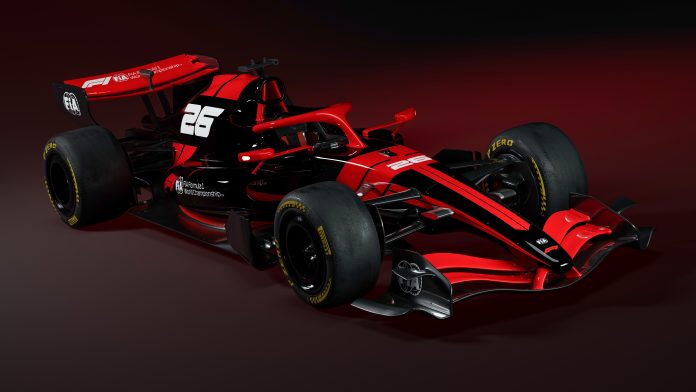
A seismic shift is underway in the world of Formula 1 racing, as the sport gears up for a revolutionary transformation in 2026. The iconic motorsport is set to adopt an entirely new lexicon, meticulously crafted through extensive collaboration with the International Automobile Federation, teams, engineers, and insights drawn from an impressive survey involving 50,000 passionate fans. This groundbreaking approach aims to simplify the often intricate terminology, catering to both seasoned enthusiasts and newcomers alike who crave a more accessible language.
At the heart of this linguistic overhaul is a commitment to eliminate excessive jargon, ensuring that fans can easily engage with the thrilling world of Formula 1. The official unveiling of these new terms has fans buzzing with anticipation for the upcoming season. Let’s delve into the vocabulary that will soon become part of everyday discussions among drivers, teams, and fans in the 2026 World Championship.
First up is “Overtake Mode,” a dynamic feature that allows drivers to unleash additional engine power when attempting to pass another car. This mode can be activated directly by the drivers and is exclusively available when the gap between competitors is less than one second, mirroring the functionality of the previous Drag Reduction System (DRS).
Next on the list is “Boost Mode,” a brand-new addition designed to maximize power output depending on the battery charge levels. Pilots can engage this mode at any moment and on any part of the track by simply pressing a button. It serves as a dual-purpose tool, enabling both aggressive attacks on rivals and critical defenses against incoming challenges. This concept draws inspiration from the KERS system that made waves in F1 during the 2009 season and saw further use from 2011 to 2013.
The term “Recharge” is also making its debut, representing a method for drivers to replenish their batteries by recovering energy during braking or even while coasting at the end of a straight. This technique includes the well-known “lift and coast” strategy, along with harnessing energy in corners where only a fraction of the engine’s power is utilized.
Finally, we have “Active Aero,” which introduces a revolutionary aerodynamic system featuring movable wings both at the front and rear of the cars. These wings will adjust their angle based on whether the car is navigating a corner or speeding down a straight, allowing for optimal aerodynamic efficiency. In corners, the cars will achieve maximum downforce for enhanced grip, while in straight lines, the configuration will be altered to reduce drag and enable higher top speeds. This innovative terminology marks a departure from earlier drafts that referred to these aerodynamic positions as “Z Mode” and “X Mode,” reflecting the evolution of design in response to fan feedback.
As Formula 1 steers towards this new era, the excitement among fans is palpable. The introduction of these terms not only signifies a commitment to innovation and performance but also reflects a desire to foster a deeper connection between the sport and its audience. With these changes, the 2026 season promises to be exhilarating, replete with a fresh vocabulary that encapsulates the spirit of racing in a way that resonates with all.