


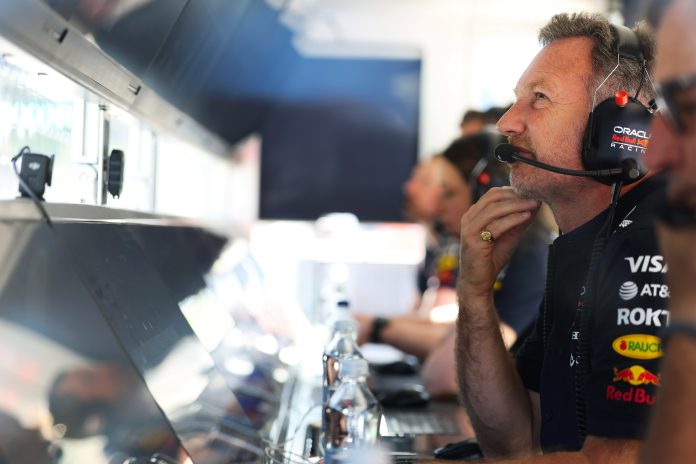
In a shocking turn of events that has left the motorsport world buzzing, Red Bull Racing’s CEO Oliver Mintzlaff has revealed the rationale behind the dramatic sacking of Christian Horner, a figure synonymous with the team’s success since its inception in 2005. Horner, who has been at the helm during a golden era that saw the team clinch multiple world championships with racing legends Max Verstappen and Sebastian Vettel, was unexpectedly dismissed earlier this year.
The catalyst for this bold move? A dismal performance period that followed the British Grand Prix, which ultimately forced the organization to make a decisive change. Enter Laurent Mekies, who stepped in to fill the monumental void left by Horner. This new leadership coincided with an impressive resurgence in the team’s performance, although Verstappen narrowly missed out on securing his fifth consecutive title by a mere two points.
Mintzlaff has been candid about the necessity of this shake-up, emphasizing that it was imperative for Red Bull to adapt and evolve amid troubling results on the track. He stated, “I wouldn’t call it a risk, because we were 100% behind this decision. Because we knew we had to do something.” This assertion underlines the strategic thinking at the heart of Red Bull Racing’s operations, distancing the organization from the label of a “hire-and-fire manager.”
Despite Horner’s illustrious track record, which includes an array of accomplishments that earned him widespread respect and admiration within the racing community, Mintzlaff has pointed out that past glory cannot be the sole foundation for future success. “Christian has a fantastic track record with the team and achieved a great deal of success,” he acknowledged, before adding, “But this is also part of a professional organisation. You can’t keep relying on history, and we felt it was time to turn the page and start a new chapter.”
This decisive and challenging decision did not come lightly, as Mintzlaff clarified, “That wasn’t an easy decision, but we didn’t make it overnight either.” The implications of this leadership transition are significant, signaling a bold new era for Red Bull Racing, one that prioritizes present performance and future potential over past achievements. As fans and analysts alike watch closely, the question remains: will this gamble pay off in the high-stakes world of Formula One? Only time will tell, but the stage is set for an exhilarating new chapter in Red Bull’s storied journey.