


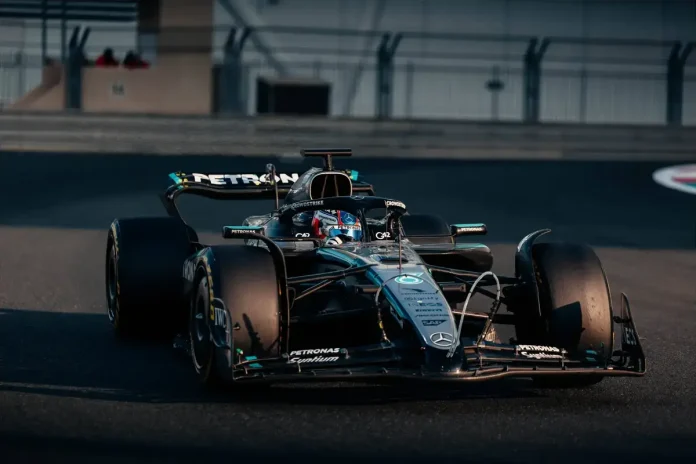
In a shocking turn of events, the world of Formula 1 is buzzing with rumors that Mercedes and Red Bull have struck a potentially game-changing blow against their rivals, using an alleged loophole in the upcoming engine regulations for 2026. The stakes couldn’t be higher as the sport stands on the brink of a monumental shift, transitioning to a 50/50 ratio of combustion engine to battery power. This dramatic change isn’t just a technical detail; it’s a battle for supremacy on the race track that could redefine competitive dynamics in the sport.
As the clock ticks down to the 2026 season, whispers have emerged that both powerhouse teams may have discovered a sneaky workaround concerning the critical compression ratios. Current regulations dictate a drop from 18:1 in 2025 to 16:1 in 2026, but Mercedes and Red Bull are said to be maintaining closer to the original compression levels during actual racing conditions, all while remaining technically within the FIA’s rules. If true, this could yield a staggering boost of up to 15 horsepower and shave crucial tenths of a second off lap times at pivotal locations like Melbourne, where the season is set to kick off.
The fury among rival manufacturers such as Honda, Audi, and Ferrari is palpable. They are calling for immediate action from the FIA, claiming that this loophole not only undermines the integrity of the new regulations but also threatens to create an uneven playing field. Yet, the FIA finds itself in a precarious position. With the Australian Grand Prix on the horizon and development timelines already stretched thin, any abrupt regulatory changes could disrupt the manufacturing processes for these teams. For now, it seems the FIA is prepared to allow this alleged trick to go unchallenged.
But this compression ratio saga is just the tip of the iceberg. The FIA has recently taken steps to tighten the screws on other potential regulatory manipulations, particularly concerning the new fuel-flow meter. This meter will shift from a mass flow limit to an energy flow restriction, and the FIA has acted decisively to prevent any tampering that could skew measurements. They’ve made it clear: “Any device, system or procedure whose purpose is to alter the temperature of the fuel-flow meter is prohibited.”
As the countdown to the new regulations ticks down, tensions are rising. If Mercedes and Red Bull’s supposed advantage plays out as speculated during the Australian GP, the paddock is likely to erupt in chaos. Formal protests from rival teams could lead to protracted technical disputes, overshadowing the on-track action and igniting a firestorm of controversy that may define the early weeks of the 2026 season.
With the introduction of these groundbreaking regulations, the competition is set to become fiercer than ever. The upcoming winter testing at Barcelona’s Circuit de Catalunya will offer the first glimpse of how effectively teams adapt to the transformative changes ahead. As the landscape of F1 evolves, fans can expect a thrilling mix of on-track drama and regulatory skirmishes that could very well shape the future of this high-octane sport. Buckle up; the road to 2026 promises to be anything but straightforward.