


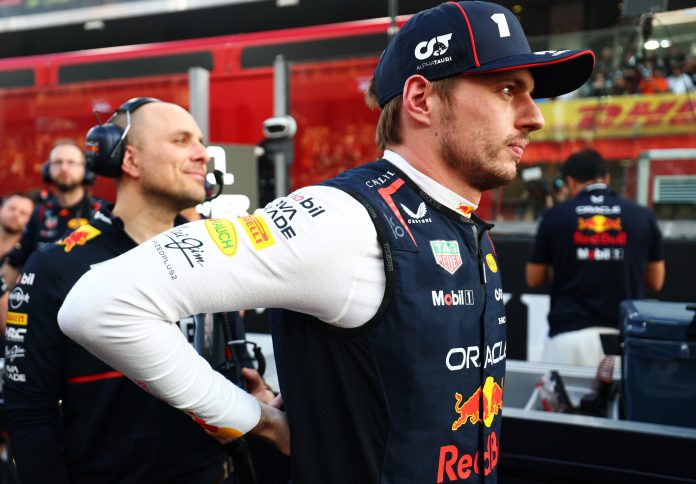
In a startling critique of the current state of Formula 1, reigning champion Max Verstappen has emerged as a fierce advocate for change, expressing his discontent with the era of ground effect cars. Despite his dominance on the track, Verstappen is anything but nostalgic for the machines that have propelled him to victory. As the motorsport world gears up for a significant technical overhaul in 2026, he is vocal about the physical toll these cars have taken on him and the implications for future drivers.
Verstappen’s candor is striking, especially as he looks toward a future that promises a new set of regulations. The Dutch driver is ready to bid farewell to the very vehicles that have allowed him to crush the competition while simultaneously wreaking havoc on his body. His frankness reveals a paradox: while these cars have granted him unprecedented success, they have also left him grappling with serious physical issues.
The four-time world champion doesn’t hold back in his criticism of the philosophy behind the current regulations, introduced by Ross Brawn. The intention was to facilitate closer racing and more overtaking opportunities, but Verstappen argues that this goal has not been achieved. “At first, following others was enjoyable, but over time, it became less fun,” he states, pointing to the diminishing excitement as teams pushed aerodynamic development to its limits.
He highlights a critical flaw in the current design: the cars’ inability to encourage true wheel-to-wheel racing. “Aerodynamic downforce is lower, the slipstream is not what it used to be. It’s not enough to overtake,” he asserts, drawing unfavorable comparisons with previous generations of F1 cars. Although he acknowledges that older models suffered from significant handling issues, he believes they were far more effective in promoting on-track battles.
Beyond the competitive aspect, Verstappen expresses grave concerns about the human cost of these machines. His tone shifts to a more alarming register when he admits, “My back is degrading, and my feet still hurt.” This candid revelation underscores the intense physical demands placed on drivers today. He goes as far as to liken the challenges of modern Formula 1 to those faced in motocross, a sport notorious for its brutality. This analogy serves as a stark reminder that the pinnacle of motorsport is inflicting physical strains that may even surpass those seen in more traditionally extreme disciplines.
As the 2026 technical revolution approaches, Verstappen’s words echo as a clarion call for the sport’s governing bodies. He speaks not just for himself but for a generation of drivers confronting increasingly rigid, faster, and more demanding machines. The era of ground effect cars appears set to conclude, and Verstappen shows no signs of longing for it, having dominated it without reservation.
Now, more than ever, Max Verstappen is emerging not just as the athlete to beat but as a critical voice within the paddock, advocating for a Formula 1 that prioritizes not only spectacle but also the well-being of its athletes. His message is clear: the thrill of victory loses its luster when the cost to health becomes unbearable. The challenge now lies in whether Formula 1 can heed this urgent plea before discomfort becomes the new normal in the sport.