


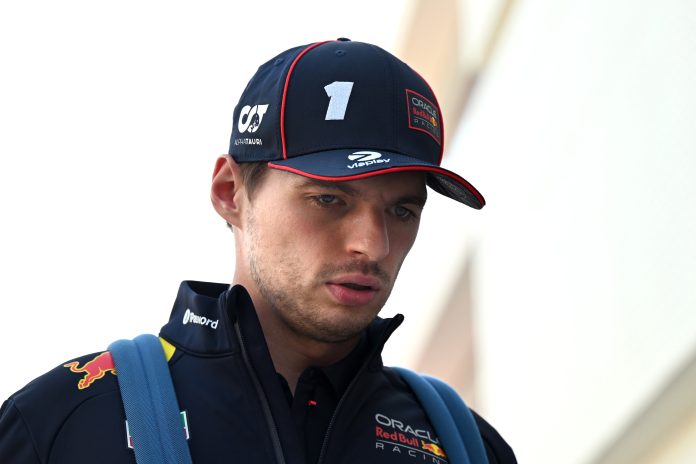
Max Verstappen, the prodigious talent of Formula 1, is making waves once again with his bold assertion that every team must have a “number one driver” to truly succeed in the highly competitive world of motorsport. This declaration comes after Verstappen’s remarkable rise since joining Red Bull midway through the 2016 season, a journey marked by unparalleled performance and relentless ambition.
From the moment he stepped into the Red Bull cockpit, Verstappen has transformed into a force of nature, capturing the attention of fans and critics alike. His driving prowess has not only elevated his own career but has also set a high bar for his competitors. With numerous wins and a growing number of records to his name, Verstappen’s perspective on team dynamics is incredibly valuable.
In a sport where split-second decisions and strategic maneuvering are essential, Verstappen argues that having a designated leader is crucial for a team’s success. He believes that the presence of a “number one driver” fosters an environment where the entire team can rally around a singular vision, enhancing both performance and results.
Verstappen’s insights come at a time when team structures are being scrutinized more than ever. As the sport evolves, the importance of clear leadership within a team becomes increasingly apparent. Teams with a clear front-runner can streamline their resources, focus their strategies, and ultimately improve their chances of clinching the coveted championship title.
As fans eagerly anticipate the next season, Verstappen’s call for a strong team hierarchy could reshape how teams approach their dynamics. With the stakes higher than ever in Formula 1, the conversation around team leadership and the role of a “number one driver” is sure to gain traction.
The fierce competition on the track is matched only by the intense rivalries off it, making Verstappen’s insights not just relevant, but essential for teams aiming for supremacy in the sport. As the season unfolds, all eyes will be on how this philosophy impacts team strategies and performances, potentially redefining what it takes to win in Formula 1.