


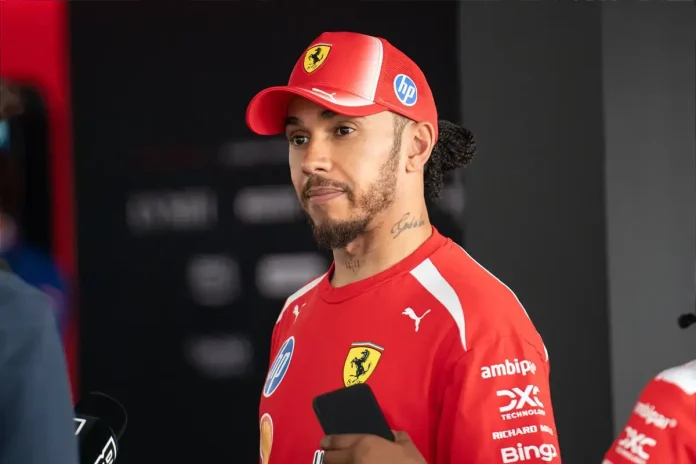
Lewis Hamilton, the seven-time world champion now driving for Ferrari, has openly expressed deep skepticism about the upcoming Formula 1 regulatory meetings, signaling a looming deadlock in the sport's future direction. At the heart of Hamilton’s frustration lies the stark power deficit Ferrari faces compared to Mercedes, a gap that seems unlikely to close with the expected rule changes. His grim outlook suggests the sport is heading toward a stalemate rather than revolutionary progress.
During the buzzing atmosphere of the Suzuka Grand Prix, Hamilton didn’t mince words about the chaotic nature of the rule-making process. “I don’t expect much, I hope there can be some important changes. But there are too many chefs in that kitchen. And usually when that happens, the outcome is never the best…” his tone heavy with resignation. His words underscore the bitter reality that with eleven teams and multiple stakeholders all pulling in different directions, finding a balanced compromise is a Herculean task.
Hamilton’s disappointment goes beyond just the technical challenges; he also highlighted a glaring lack of driver representation at the decision-making table. Despite calls for drivers to have a say in shaping the sport’s future, the upcoming meetings will exclude any driver voices, a move Hamilton clearly criticized. This absence further alienates the athletes who are directly affected by the rules, intensifying the disconnect between those behind the wheel and the bureaucrats crafting the regulations.
The series of crucial meetings, set for April, will unfold in three stages. On April 9 and April 16, the Formula 1 Technical Advisory Committee—comprising all eleven teams, five manufacturers, and F1’s technical department—will sift through data from the first three race weekends of the 2026 season. The focus will be on refining the spectacle, with special attention on qualifying sessions. Drivers have voiced frustration over restrictions that prevent them from pushing to the absolute limit, a problem the committee hopes to address. The final meeting on April 20 will be a decisive vote on the proposed changes, with the ambitious goal of rolling out any new regulations as early as the Miami Grand Prix in early May.
Hamilton’s candid commentary lays bare the immense challenges facing Formula 1’s governance. With competing interests, power struggles, and a lack of driver input, the sport risks stagnation rather than evolution. Fans and insiders alike await the April meetings with bated breath, but Hamilton’s words serve as a stark warning: when too many voices clash without clear leadership, the end result may disappoint everyone involved.