


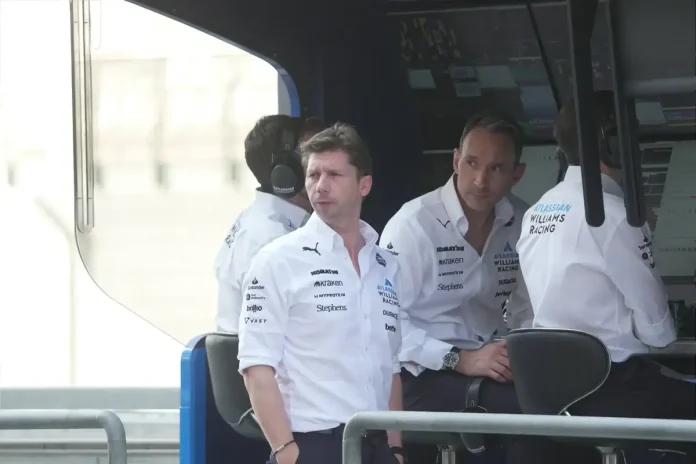
In a bold and foreboding statement, James Vowles, the team principal of Williams, has sounded the alarm on the impending transformation that Formula 1 is set to undergo in 2026. This shift promises to radically alter the landscape of the sport, as teams brace for a comprehensive overhaul of both chassis designs and power units. The introduction of lighter cars, alongside a hybrid powertrain that blends electric and biofuels, is poised to disrupt the competitive equilibrium, making this regulatory change one of the most unpredictable in recent history.
Vowles urges caution as 2026 approaches, challenging the prevailing narratives within the paddock that already crown certain teams as favorites for the upcoming season. “Nobody knows. No engine manufacturer truly knows where they will stand,” he asserts, delivering a clear message aimed at tempering rampant speculation while hinting at a more intricate game of strategy among constructors than meets the eye.
Recognizing the historical prowess of Mercedes in navigating regulatory transitions, Vowles does not shy away from acknowledging their expertise. “If there is one thing Brackley knows how to do, it’s succeed in regulatory changes,” he remarks. However, he is acutely aware of the structural disparities that exist between Williams and the well-resourced Mercedes, stating, “We do not have the facilities or capabilities of Mercedes. That’s a reality today.” This candid admission reflects Williams’ commitment to a sustainable growth strategy rather than chasing immediate championship glory.
Tension escalates as Vowles reveals that there are teams collaborating with engine manufacturers to manipulate the narrative surrounding the 2026 engines. “A team and an engine manufacturer are clearly attempting to shape the story to push for regulatory changes,” he claims, igniting speculation about the power dynamics at play among the titans of the grid. The likes of Mercedes, Ferrari, Red Bull-Ford, Honda, and Audi are embroiled in a fierce off-track battle that could redefine the sport.
Concerns extend beyond mere rivalries; discussions are brewing around potential regulatory ambiguities, particularly regarding Article C5.4.3, which pertains to the measurement of engine compression ratios. While this may seem like a technical detail, it could provide a critical advantage to those who manage to exploit any loopholes in the regulations.
Despite the swirling doubts and power struggles, Vowles remains cautious not to underestimate the elite teams. “I strongly doubt that Ferrari has done a poor job. They are very good at succeeding in such transitions,” he emphasizes, underscoring the formidable capabilities of the established giants.
As teams keep their engines under wraps until the official testing begins, the true competitive landscape remains shrouded in mystery. With 2026 on the horizon, Formula 1 stands at the brink of one of its most significant modern upheavals. Amid accusations of manipulation, political maneuvering, and technological bets, the atmosphere is charged with anticipation long before the lights turn green on the track.
For Williams and the entirety of the paddock, the race toward 2026 has undeniably commenced, and it will be fought as fervently in boardrooms as on the asphalt.