


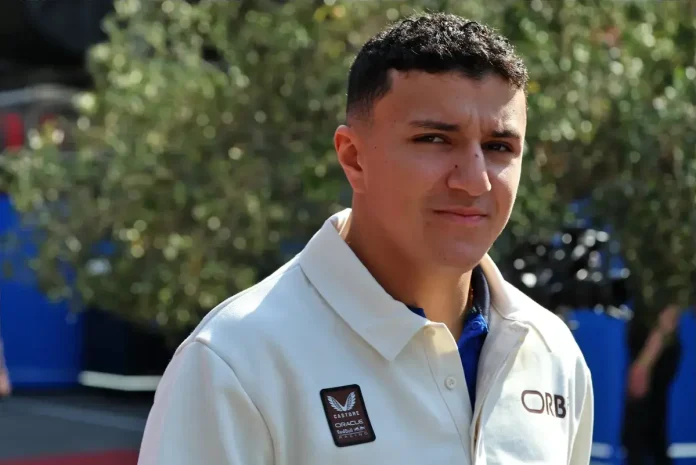
Isack Hadjar's return to the cockpit for the Azerbaijan Grand Prix represents more than just a comeback from injury; it embodies the relentless spirit of a young driver grappling with the physical and psychological challenges of Formula 1. After three weeks on the sidelines, the 21-year-old Frenchman faces not only the pressure of competition but also the lingering pain of a fractured wrist that, while not requiring surgery, has left him contemplating the fragility of his racing career.
The emotional weight of Hadjar's situation is palpable. As he prepares to return, he balances the joy of racing with the reality of his injury. “It's still going to be painful for a while,” he admitted, underscoring the mental and physical hurdles he must overcome. This moment highlights the often-overlooked human element of motorsport—the emotional toll on drivers who push their limits for success while battling injuries that could sideline their careers.
Hadjar’s injury occurred during training over the F1 summer break, leading to his absence from crucial races in the Netherlands, Italy, and Spain. In his place, Liam Lawson stepped into the RB22, performing admirably and raising questions about team dynamics and performance expectations. Meanwhile, Yuki Tsunoda occupied the second seat at Red Bull, showcasing the growing depth of talent within the team. Upon his return, Hadjar faced a critical test in the simulator, a vital stepping stone to assess his readiness. Team principal Laurent Mekies emphasized that Hadjar would not be rushed back, ensuring that the driver’s health and performance were prioritized.
This narrative extends beyond the immediate results on track. Hadjar’s situation reflects the evolving landscape of Formula 1, where teams are venturing into deeper talent pools and drivers are increasingly exposed to the risks of injury in high-stakes environments. The emotional gravity of Hadjar's return is magnified by his recent confirmation that he will continue racing for Red Bull through 2027, a decision that amplifies both expectations and pressure.
The human dimension is crucial here. Hadjar's recovery journey involves not just physical rehabilitation but also mental fortitude. He expressed the monotony of training without full use of his left arm, a testament to the challenges athletes face when sidelined. Adrenaline, he believes, will be his ally as he faces the Baku City Circuit, but the fact remains that racing with an injury is fraught with risk. Each lap will test his resilience, not just as a driver but as a young man striving to carve out a place in a fiercely competitive arena.
In conclusion, Isack Hadjar’s return to racing is a powerful reminder of the fragility and tenacity inherent in the world of motorsport. As he battles through pain and uncertainty, his story resonates with the struggles athletes face, underscoring the emotional stakes that accompany each race. The Azerbaijan Grand Prix is not merely another event on the calendar; it is a pivotal moment in Hadjar’s career, one that could define his journey in Formula 1 for years to come.