


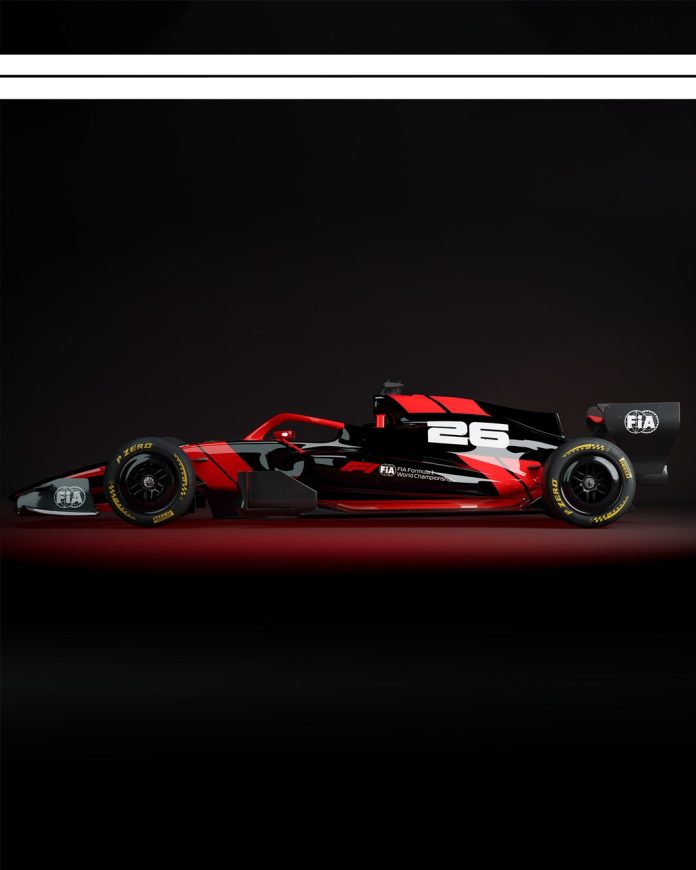
The FIA has taken a decisive stand against potential loopholes in the upcoming Formula 1 regulations as the sport gears up for a transformative 2026 season. With the introduction of new hybrid engines featuring a 50-50 mix of electric and traditional power, F1 is on the brink of a revolutionary change that promises to reshape the racing landscape.
As the anticipation builds, reports indicate that powerhouse teams like Red Bull and Mercedes are already making waves during preliminary tests. They are pushing the boundaries by achieving higher compression ratios, a move that, while not explicitly against the rules, raises eyebrows due to the ambiguous language in the regulations that allowed for such innovations.
In a bold response, the FIA has decided to tighten its grip on the regulations, particularly concerning fuel flow measurements critical for the new sustainable fuels that will define this era. The previous maximum flow limit of 100kg/h is set to be replaced by a more stringent energy flow limit of 3000MJ/h, implementing a unified approach to fuel measurement that will leave no room for ambiguity.
Gone are the days when teams operated with separate flow meters. Now, the FIA will employ a single fuel flow meter developed by Allengra, ensuring that both the governing body and the teams have access to the same data. This shift comes in the wake of a rewording of the rules designed to close off any loopholes that could be exploited. The original regulation stated, “Any intentional heating or chilling of the fuel-flow meter is forbidden.” This has been clarified to specify, “Any device, system, or procedure, the purpose of which is to change the temperature of the fuel-flow meter is forbidden,” leaving little room for misinterpretation.
Nikolas Tombazis, the FIA’s single-seater director, has made it abundantly clear that the consequences for teams found bending or breaking these newly tightened rules will be severe, likening such actions to “suicide.” This stark warning underscores the FIA’s commitment to ensuring a level playing field as F1 marches into a new era of electrification and advanced aerodynamics.
The 2026 season promises to bring lighter, smaller cars that will not only enhance performance but also challenge teams to innovate within a stricter regulatory framework. As the sport evolves, teams will be under intense scrutiny, with the FIA watching closely to ensure compliance and integrity in this exciting new chapter of Formula 1. The race is on, and the stakes have never been higher.