


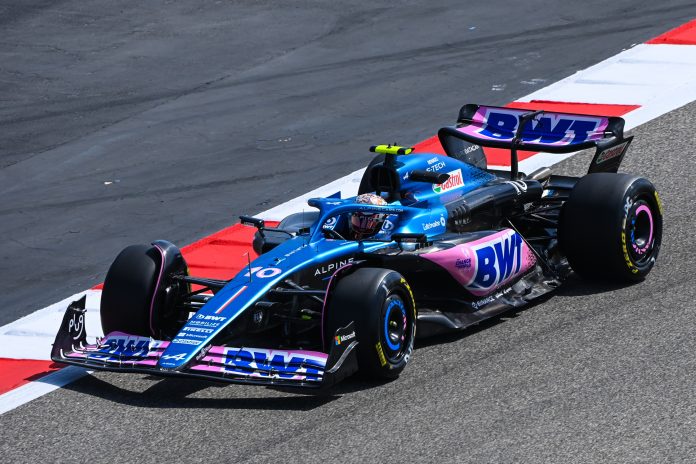
In a seismic shift that could redefine the future of Formula 1, Pierre Gasly has voiced a significant concern regarding the current ground effect regulations, labeling them as ‘unsustainable’ for drivers. As the sport gears up for a monumental overhaul in 2026, the excitement is palpable, but so too is the relief among drivers who have endured the physical challenges posed by these regulations. Gasly’s candid remarks shine a spotlight on the harsh realities that have plagued pilots on the grid, exposing the toll that these innovative designs have taken on their bodies.
The ground effect era, which allowed teams to harness unprecedented downforce by running their cars closer to the track, has proven to be a double-edged sword. While performance soared, the resulting impact on drivers’ health has raised alarms. “The one thing we haven’t really been too happy as drivers is just the amount of bouncing,” Gasly explained, emphasizing the physical strain that has become a hallmark of racing under these conditions. His sentiment echoes a growing consensus among racers that this approach is not sustainable for long-term careers in the sport.
Joining Gasly in this chorus of criticism is Haas rookie Oliver Bearman, who has also expressed his dissatisfaction with the current state of the cars. “The bounce thing and the ride and the uncomfortableness of these cars, they are horrible,” Bearman lamented, revealing the intense discomfort that often lingers long after the checkered flag has fallen. The young driver painted a vivid picture of the struggle faced on tracks like Las Vegas and Mexico, where the relentless stiffness required to maintain competitive performance has left him aching and exhausted.
Bearman recounted the stark contrast between practice sessions and qualifying, where a sudden onset of bouncing could obliterate confidence and lap times. “I really hope the next year cars don’t bounce, especially if I want to have a long career in F1,” he stated, highlighting a genuine concern for the well-being of drivers. The prospect of enduring such physical tolls could deter many from achieving longevity in the sport, a fate that legendary figures like Lewis Hamilton and Fernando Alonso have managed to escape.
The eagerly anticipated regulatory changes for 2026 aim to shift away from these punishing ground effects, opting instead for a return to more traditional aerodynamic principles. This new era promises not only reduced reliance on the car’s floor but the introduction of moveable wings and an increase in electrical energy from the power units. While the promise of innovation is exciting, it also raises questions about how these changes will manifest on the track. “I think it will take some time, and probably we need to be very open-minded on what we might see,” Gasly noted, emphasizing the need for adaptability as the sport evolves.
Ultimately, the drivers are united in their desire for a safer, more comfortable racing experience. With the 2026 regulations on the horizon, there’s a glimmer of hope that this new chapter will prioritize not just the thrill of competition but the health and longevity of those who dedicate their lives to the sport. The F1 community is watching closely, eager to see how these bold changes will shape the future of racing.