


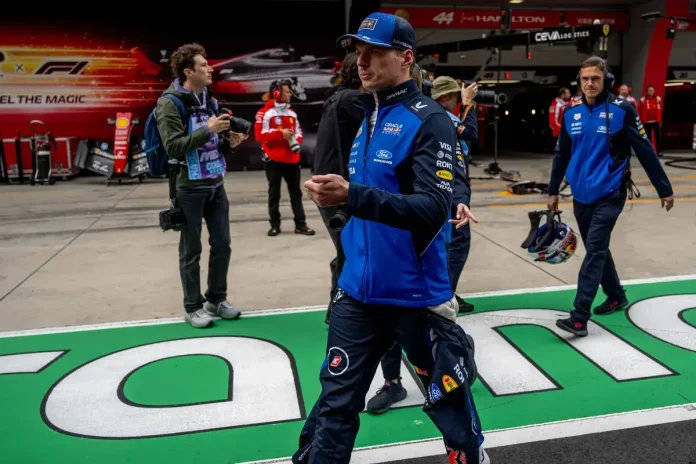
The world of Formula 1 is in a state of turmoil, as discontent among drivers reaches a boiling point. Alberto Longo, co-founder of Formula E, has thrown down the gauntlet, urging F1 to confront the growing dissatisfaction echoing through the paddock. Leading the revolt is none other than Max Verstappen, the four-time world champion, whose fierce criticism of the new regulations has sent shockwaves through the sport.
Verstappen has not held back, particularly targeting the controversial energy management rules introduced alongside the new 50/50 combustion engine-electric power units. He boldly declared that this season feels like “Formula E on steroids” during pre-season testing, a remark that not only underscored the stark contrast with the all-electric series but also foreshadowed a season fraught with tension. The overwhelming sentiment among the grid is one of frustration as drivers grapple with the demands of the new format.
While Lewis Hamilton has been one of the few voices expressing a positive outlook on the new cars, the irony isn’t lost on fans, given his historical disdain for the current ground effects era. Meanwhile, Charles Leclerc found some joy after the Chinese Grand Prix, relishing his battles within Ferrari. However, these glimmers of optimism are overshadowed by a chorus of dissent that is growing louder with each race.
As F1 embarks on its new season, Longo’s warnings have become increasingly urgent. He emphasizes that the sport is teetering on the edge of a crisis, stating, “Most likely, when you see the biggest star of the sport complaining, they’re in a really bad position.” His message is clear: if the top drivers, especially someone of Verstappen’s caliber, are openly voicing their grievances, it signals a troubling trend for the future of Formula 1.
Longo’s assessment reflects a crucial juncture for the sport. “This is not good,” he asserts, highlighting a critical point that F1 must not ignore. The stakes are high; the voices of the elite drivers are not mere background noise but a clarion call for change. Longo’s insistence that “they should look into it” serves as a stark reminder that the integrity and future of Formula 1 may hinge on its ability to listen and adapt.
As the season progresses, F1 stands at a crossroads, facing the challenge of uniting its stars and addressing their concerns before the rift widens further. The call to action is clear: the governing body must heed the warnings of its most prominent figures or risk alienating the very talent that drives its global appeal. The time for decisive action is now, as the future of Formula 1 hangs in the balance, waiting to see if its leaders will rise to the occasion.