


On a fateful day in Monza on December 16, 1997, the legal drama surrounding one of Formula 1’s most tragic incidents reached a stunning conclusion. In a mere 60 seconds, Judge Antonio Costanzo delivered a verdict that acquitted six defendants, including the iconic Williams team founder, Sir Frank Williams, of manslaughter charges related to the tragic death of racing legend Ayrton Senna at Imola three years earlier. This decision not only marked the end of a protracted 10-month trial but also ignited fervent discussions about accountability, safety, and the future of Formula 1 in Italy.
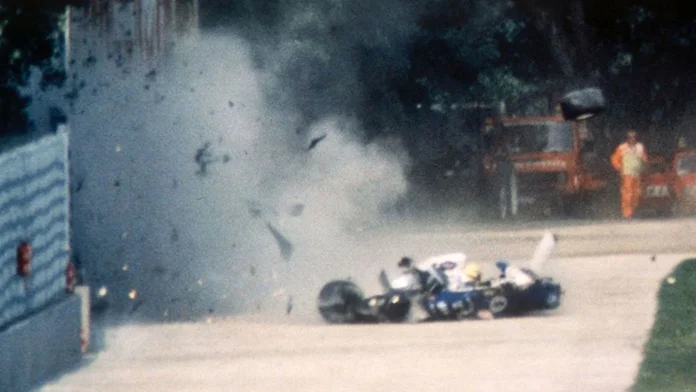
The harrowing incident unfolded on May 1, 1994, when Senna’s Williams-Renault careened off the track at the notorious Tamburello corner, crashing into a concrete wall at chilling speeds of around 145 mph. The prosecution alleged that a modified steering column had failed, leading to the Brazilian driver’s loss of control. Among those facing accusations were key figures in the Williams team, including technical director Patrick Head and chief designer Adrian Newey. The stakes were astronomical, as a guilty verdict could have sent shockwaves through the very foundations of motorsport.
In the wake of the acquittal, Williams expressed relief and optimism for the future, stating, “Williams Grand Prix Engineering is pleased to confirm that Frank Williams, Patrick Head and Adrian Newey have been acquitted for all charges which were the subject of the Imola trial. We firmly believe that this was the only appropriate outcome of the trial and now look forward to the 1998 season with confidence and enthusiasm.” Team lawyer Peter Goodman echoed this sentiment outside the courthouse, asserting that the evidence overwhelmingly supported their case. “I felt the evidence went very much in our favour and that a verdict of not guilty was the correct verdict,” he declared. “The prosecution’s evidence was not consistent and I felt it could not have led to a guilty verdict.”
The implications of a guilty verdict extended far beyond the courtroom, with then-FIA president Max Mosley warning that such convictions could lead him to withdraw motorsports from Italy altogether, jeopardizing prestigious events like Ferrari’s home race in Monza. The gravity of the situation was palpable, highlighting how perilous the sport’s standing had become in the wake of Senna’s devastating death.
Judge Costanzo ultimately concluded that while numerous factors—speed, tire condition, and track surface—could have contributed to the accident, there was insufficient evidence to establish criminal liability. Prosecutors had sought one-year suspended sentences for Head and Newey, but all charges were dismissed, allowing the defendants to breathe a sigh of relief.
In a poignant twist, Viviane Senna, Ayrton’s sister, refrained from public comment following the verdict, remaining consistent with the family’s composed demeanor throughout the judicial proceedings. The Senna family had previously voiced their disquiet over Formula 1’s decision to continue the 1994 San Marino Grand Prix weekend after the tragic passing of Roland Ratzenberger during qualifying. Ayrton himself had ominously remarked, “There are no small accidents on this circuit,” a statement that now resonates with chilling clarity.
Though the legal saga came to a close, the impact of Senna’s death reverberated throughout the world of Formula 1, prompting a significant overhaul of safety measures. In the years that followed, circuits underwent redesigns, cockpits were fortified, and medical protocols were dramatically improved—changes that have undoubtedly saved countless lives. The legacy of Ayrton Senna transcends tragedy, serving as a catalyst for crucial advancements in the sport’s safety landscape.