


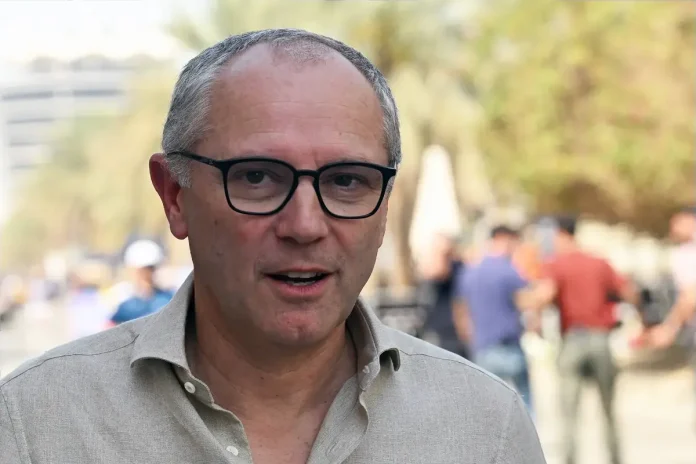
The world of Formula 1 is currently shrouded in uncertainty as the ongoing conflict in the Middle East threatens the integrity of the upcoming race calendar. F1 CEO Stefano Domenicali has revealed that the organization is contemplating “all options” regarding the fate of the Bahrain and Saudi Arabian Grand Prix, both scheduled for next month. With the specter of instability looming, the viability of these high-octane events hangs in the balance, raising questions about the sport’s ability to adapt in such tumultuous times.
As tensions escalate in the region, the possibility of switching venues is being considered, yet Domenicali warned that there’s a significant risk that these two prestigious races may simply not take place if conditions do not improve. With just over a month until the Bahrain Grand Prix, the pressure is mounting, and Domenicali insists that it remains premature to make any definitive statements about the races’ fate. “Our approach, first of all, is safety for all the relevant stakeholders, the people and also the promoter itself,” he stated emphatically during an interview with Sky F1.
Domenicali’s commitment to safety is paramount, emphasizing that the evolving situation requires careful monitoring. “We don’t want to do any statement today, because things are evolving, changing, we still have time to make the right decision,” he explained. The F1 chief confirmed that a collective decision will be made, ensuring that all involved parties are consulted before any actions are taken. “Of course, it’s all connected to the risks that are evolving, and we need to manage. All options could be open. At the right moment, we will make the decision involving everyone.”
The urgency of the situation was starkly illustrated last weekend when attacks in Bahrain compelled the cancellation of a crucial Pirelli tyre test. This swift action was necessary to safeguard the well-being of team members who were present, highlighting the immediate risks posed by the regional instability. Furthermore, the chaos has ripple effects, disrupting travel plans for the opening round in Australia, as several regional airports are critical for connecting flights to Melbourne.
“When we saw things happening, we had people in Dubai and in Bahrain for the Pirelli test that we had to cancel,” Domenicali recounted. “We had people in Doha. It was a very intense couple of days trying to reschedule everything. To be here is a great success.” The logistical challenge is immense, especially considering that the sport’s operations involve around 3,000 personnel and a staggering 900 tonnes of equipment that must be transported globally, with even more material being shipped.
As Formula 1 navigates these treacherous waters, all eyes will be on the decisions made in the coming weeks. Will the sport find a way to adapt and overcome these challenges, or will the shadow of conflict ultimately dim the engines of this high-speed spectacle? Time will tell, but one thing is certain: the stakes have never been higher.