


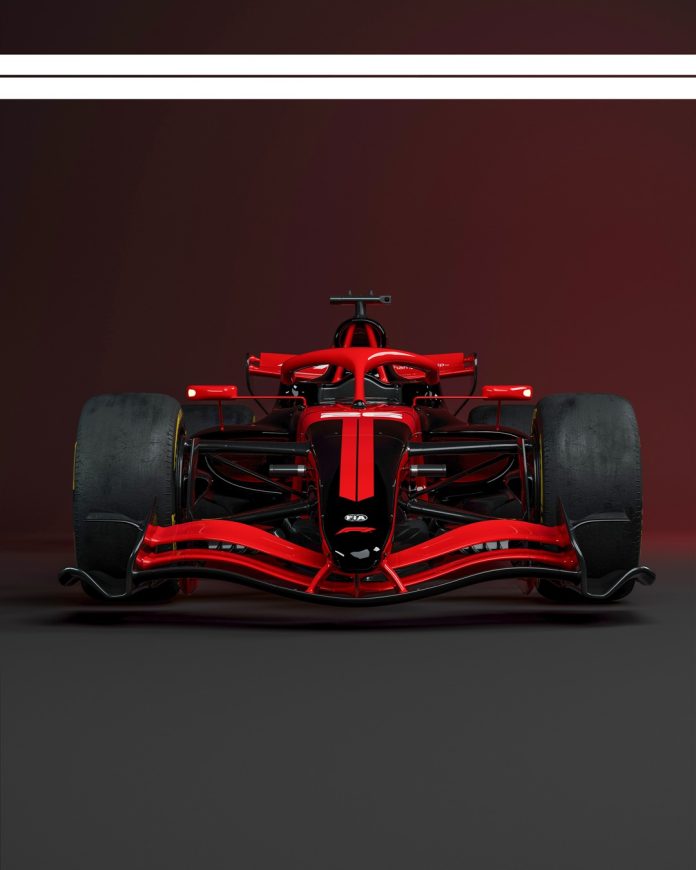
The landscape of Formula One is set to undergo a seismic shift in 2026, ushering in a new era of high-octane racing that promises to redefine the sport as we know it. As the turbo hybrid engines fade into history, a radical overhaul of the machinery is on the horizon, with the FIA and Formula One Management unveiling crucial updates that will shape the terminology and technology of the upcoming season.
Gone are the days of the ‘Manual Override Mode’ (MOM). In its place, drivers will now have access to the newly minted ‘Overtake Mode.’ This exciting feature allows racers to unleash an extra burst of power when they are within one second of a competitor, effectively becoming a strategic tool for on-track overtaking. The FIA’s announcement clarifies that Overtake Mode replaces the long-standing Drag Reduction System (DRS), marking a significant evolution in how drivers will approach passing maneuvers. The move is designed to enhance racing excitement and promote more dynamic battles on the track.
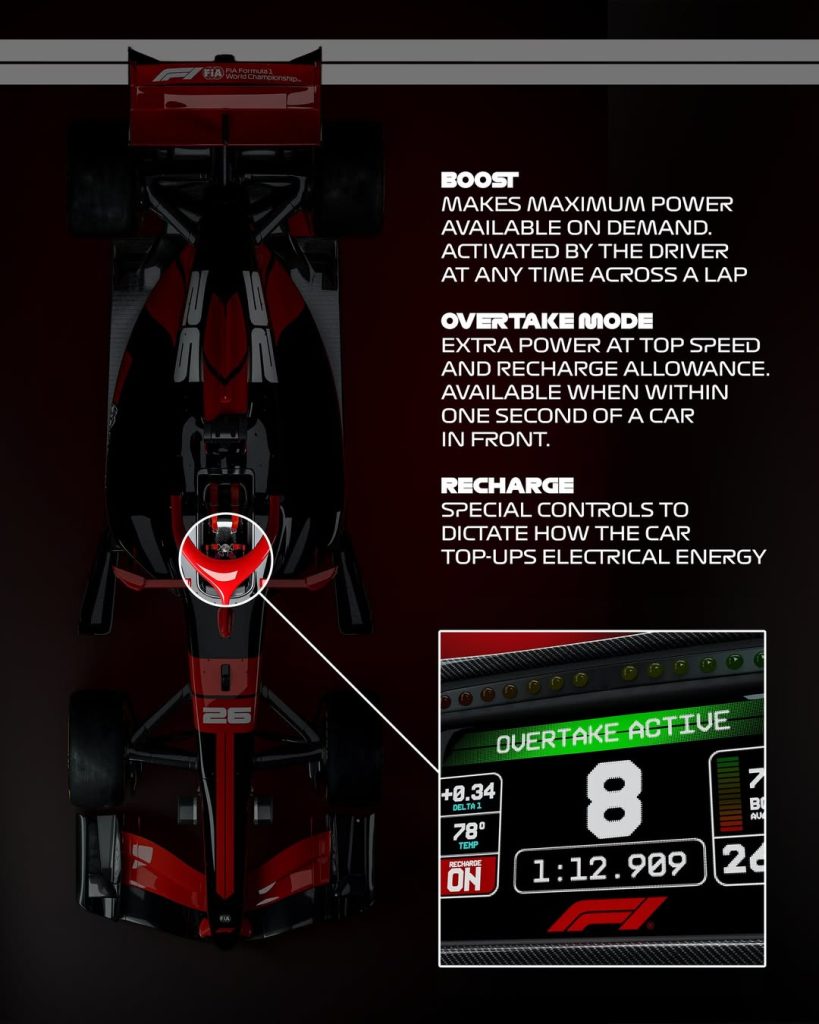
But that’s not all. Brace yourselves for ‘Boost Mode,’ a powerful new addition that enables drivers to tap into the full potential of their car’s Energy Recovery System. With a mere push of a button, this mode unleashes maximum power from both the engine and battery, providing a thrilling edge in crucial moments of the race, regardless of their position on the circuit.
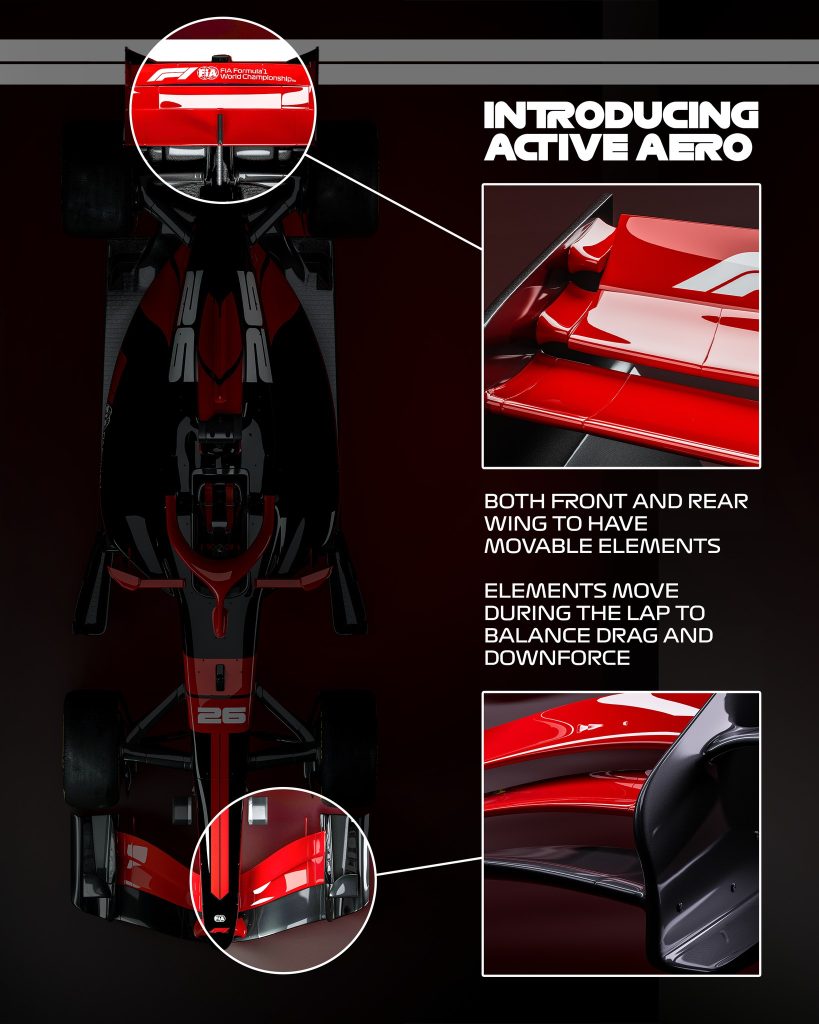
These changes coincide with a major transformation in car design, as the 2026 vehicles will feature active aerodynamics. This cutting-edge technology allows the front and rear wings to adjust simultaneously, enhancing fuel efficiency and reducing drag. The implications are staggering, with predictions suggesting that the new cars could hit astonishing top speeds of up to 400 km/h (248 mph). The shift to active aero signifies a departure from previous designs, promising a more agile and responsive driving experience.
Additionally, the term ‘active aero’ will replace previous designations like ‘X Mode’ and ‘Z Mode,’ reflecting the enhanced adaptability of the vehicles. This innovation is set to maximize grip and power usage, allowing drivers to navigate the complexities of the track with newfound precision.
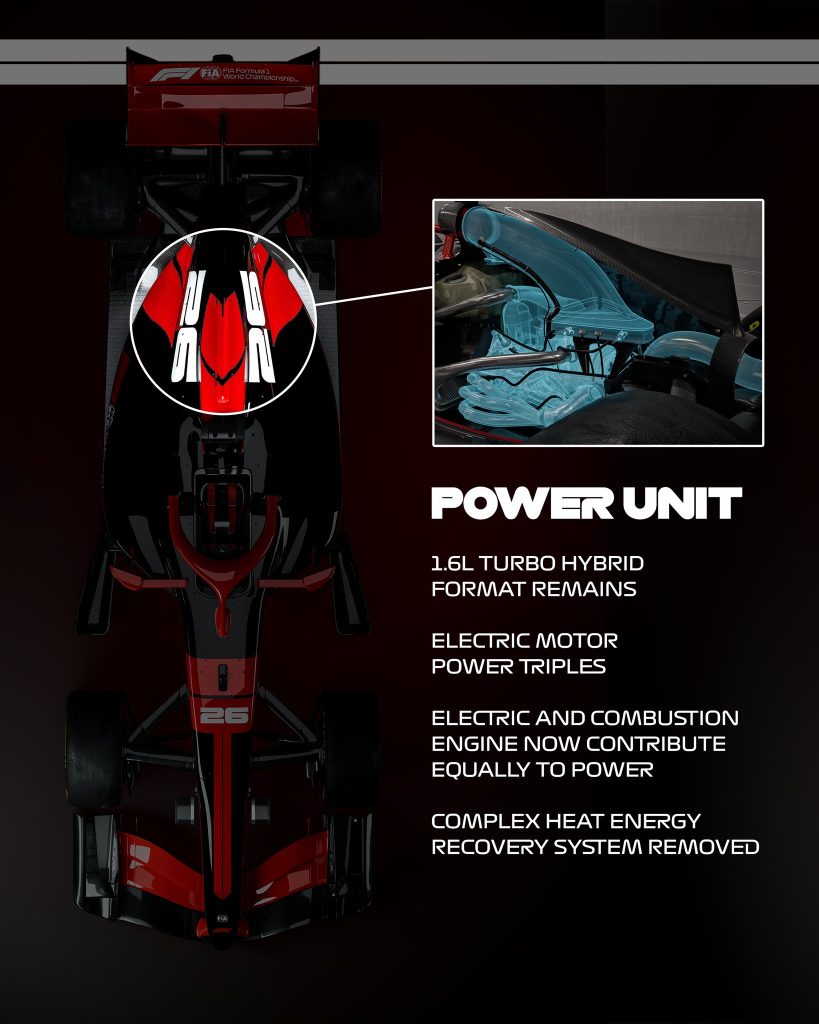
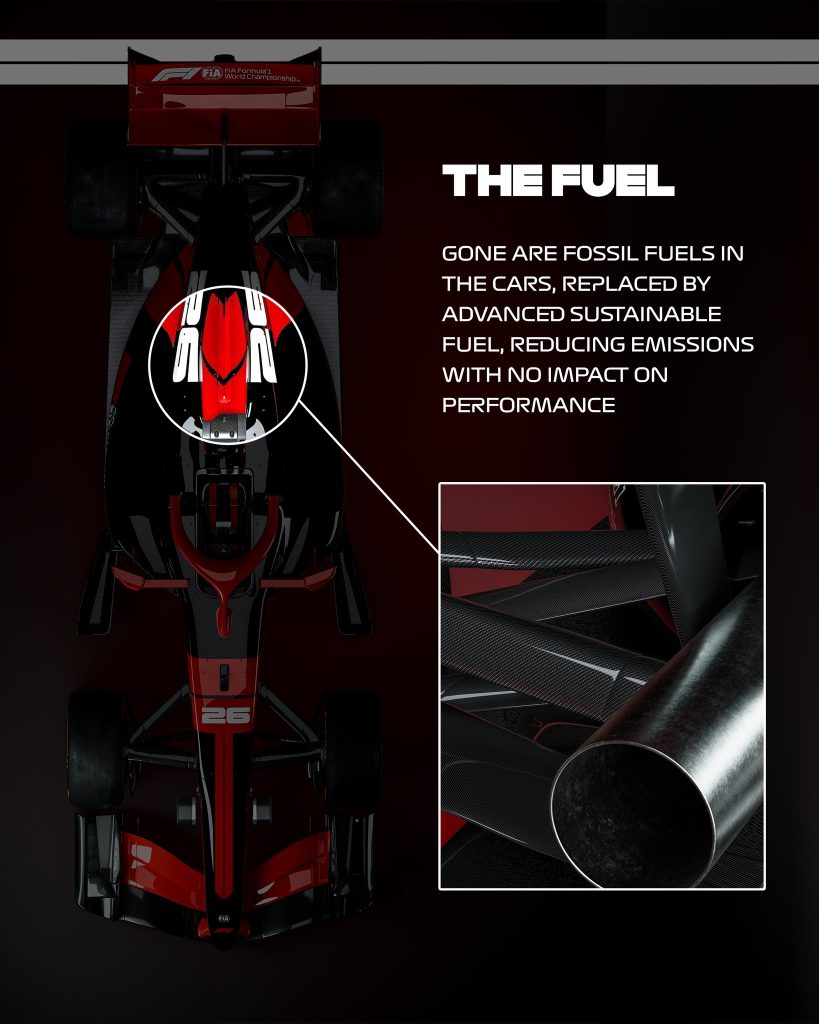
In a nod to sustainability, the new power units will boast a balanced 50/50 split between internal combustion and electric power, with a state-of-the-art 1.6-liter V6 engine coupled with nearly triple the electrical capacity of earlier models. This leap in technology signifies a commitment to eco-friendly racing, as teams will operate under a sustainable fuel limit of 70 kg per race, down from approximately 105 kg last season.
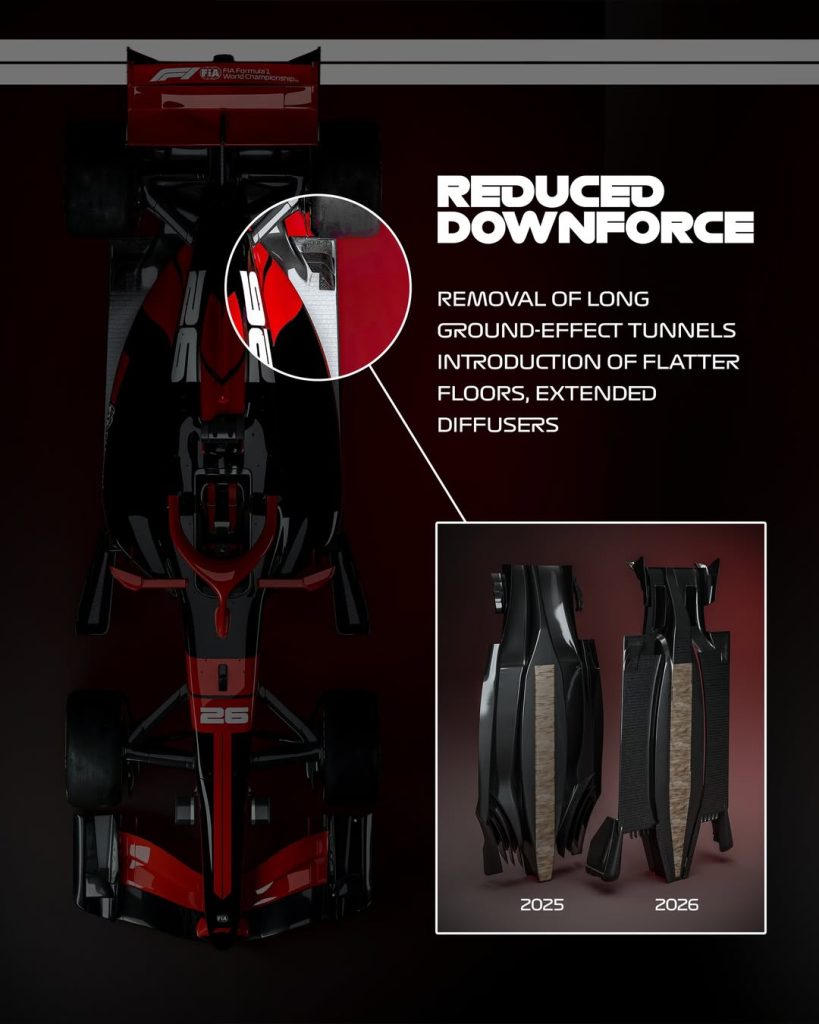
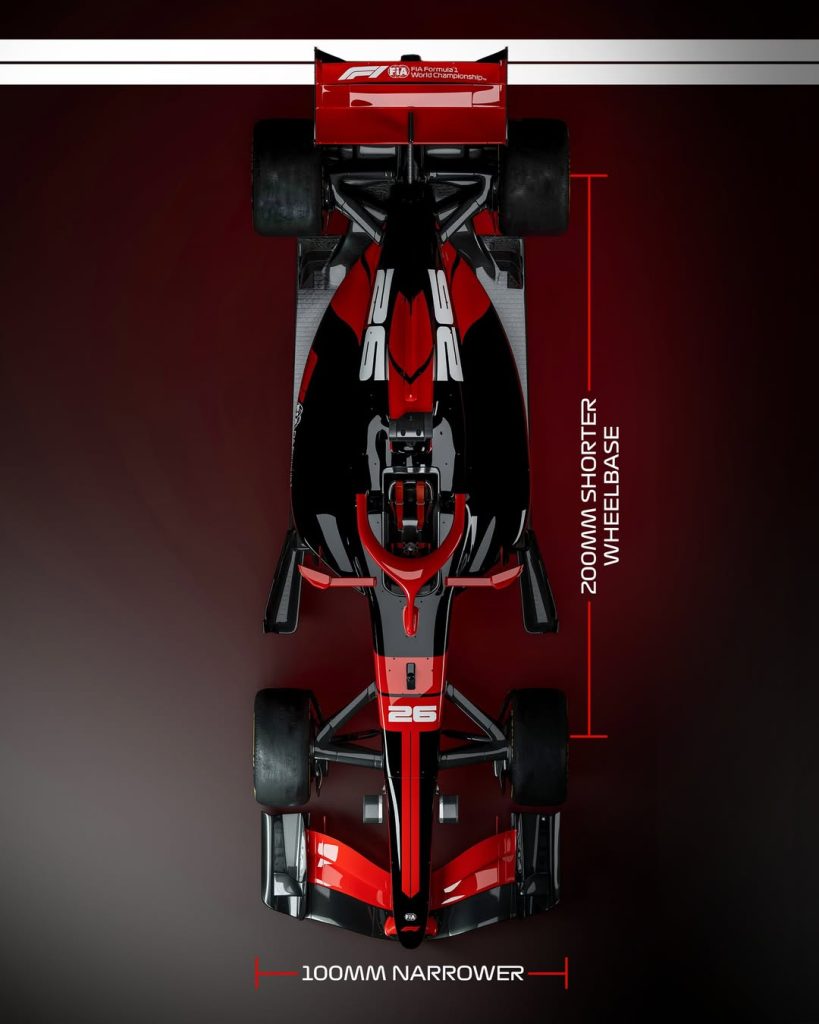
The 2026 season will also see the introduction of lighter and narrower cars, as ground effect aerodynamics is phased out. The minimum combined weight of the driver and car will be reduced by 30 kg to 770 kg, enhancing the agility of the vehicles on track. While this shift may result in a 15-30% reduction in downforce, the active aero systems are expected to compensate with a dramatic 40% reduction in drag, setting the stage for exhilarating speed and performance.
Tyres will also see a transformation, with extensive testing conducted alongside Pirelli to ensure optimal performance. The cars will retain 18-inch wheels, but front tyres will be 25 mm narrower and rear tyres will shrink by 30 mm, further refining the driving experience.
As Formula One gears up for this monumental transition, fans and teams alike are left to wonder how these changes will manifest on the racetrack. With the promise of more thrilling overtakes, astonishing speeds, and a commitment to sustainability, the F1 2026 season is poised to be a groundbreaking chapter in the storied history of motorsport. The anticipation is palpable, and the stage is set for an unforgettable season that could reshape the future of racing forever.