


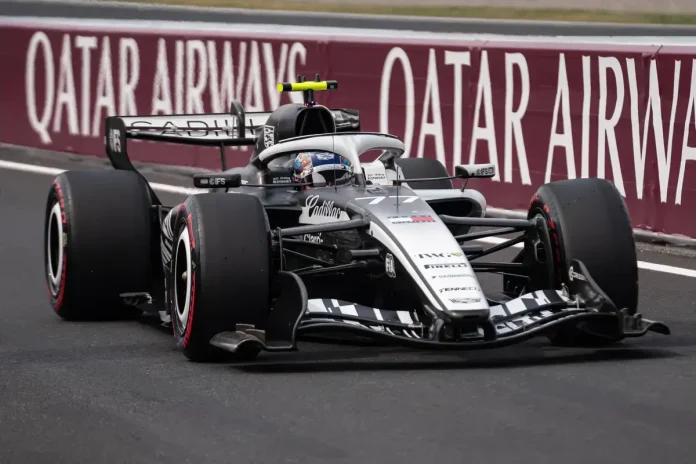
Sergio Pérez delivers a stark reality check for Cadillac as the team struggles to bridge a daunting one-second gap per lap if they are to challenge the mid-field giants in Formula 1. Miami’s Grand Prix looms as a make-or-break moment for the American outfit desperate to climb out of the backmarkers.
Despite flashes of promise early in the 2026 season, Cadillac remains anchored near the tail end of the grid. The Japanese Grand Prix offered a glimmer of hope, particularly in qualifying where the team showed noticeable progress since Australia. Yet, race day ruthlessly exposed their frailties. Pérez finished a distant 17th, losing ground steadily through each stint. Even a safety car period that bunched the field couldn’t help him gain an advantage. After the restart, he suffered a brutal deficit, losing about a second per lap to direct rivals and crossing the line nearly half a minute behind leaders Carlos Sainz and Franco Colapinto.
The root of Cadillac’s woes is painfully clear: an alarming lack of downforce is crippling their race pace. While the car’s balance is “acceptable,” it is nowhere near competitive against the mid-pack teams. Compounding the problem is inefficient energy deployment from their hybrid systems, leaving them struggling to match rivals who have mastered regenerative power usage.
Pérez remains pragmatic but hopeful, praising the incremental gains made at each race. The team is banking on a substantial upgrade package set to debut in Miami, which could finally close the yawning performance gap. The Mexican ace admitted, “It was quite interesting. When I was behind, I was battling Williams and Alpine, and I could see they weren’t that far ahead. But they can hit their rhythm repeatedly and consistently.”
He didn’t mince words on the scale of the deficit: “I think it’s obvious we need a second right now, and I really hope we can bring a big improvement to Miami. I think this will be the biggest test for the team.”
Reflecting on the progress so far, Pérez said, “I think we have evolved at every Grand Prix. This was the first race where, overall, everything went pretty well except for some energy usage issues in qualifying. I hope we can take that step to fight with the mid-field. There are several areas to improve, but right now the main issue is downforce. That’s where we’re lacking the most. The balance isn’t bad, but we are missing aerodynamic support.”
Pérez’s parting words were a clear call for urgency: “I see encouraging signs. There’s also work to be done on energy management. I noticed some teams were using energy differently from us. We will bring changes to Miami and that will be our biggest test.”
Cadillac’s journey from also-ran to mid-field contender hinges on Miami’s upgrades delivering the promised leap. Failure to close the gap could condemn them to the back of the grid for the foreseeable future, but a breakthrough could ignite a fierce fight in the fiercely competitive middle tier of Formula 1. The clock is ticking, and the pressure is mounting on Cadillac to transform potential into pace before the next race lights go out.