


The countdown to Audi’s highly anticipated debut in Formula 1 has officially begun, with the German automotive giant set to unveil its presence on the racing circuit in 2026. With a meticulous plan in place for the introduction of its power units, Audi aims to carve out a prominent position in the fiercely competitive world of F1. According to CEO Gernot Döllner, the vision is clear: by 2030, Audi aspires to be one of the most successful teams in the sport, aiming for championship glory.
However, the road to that ambition is paved with challenges. Team Principal Jonathan Wheatley has candidly acknowledged the uphill battle Audi faces, stating that the team will begin its journey with a “significant disadvantage” after acquiring Sauber, a team that has remarkably been absent from the grid for the first time in 33 years. This absence signals that Audi’s inaugural season will not be marked by immediate success and contention for race victories.
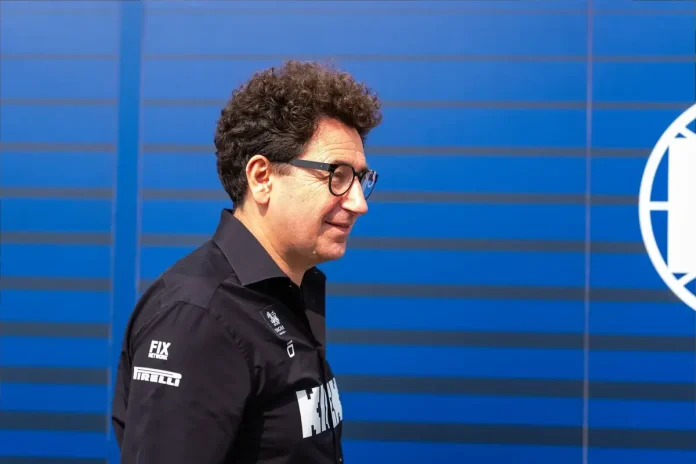
Mattia Binotto, the team’s Technical Director and former Ferrari Team Principal, has echoed these sentiments, emphasizing the importance of patience as the team embarks on this new chapter. “I think that, as a project, we are moving in the right direction and with a certain credibility,” he explained in an interview. Binotto outlined the progress being made, highlighting the significant investments and strategic expansion efforts that are laying a solid foundation for the future.
He firmly believes that the commitment Audi has shown is crucial for building credibility among its employees, stating, “We are expanding, we are investing for the long term. These facts are giving a lot of credibility to the project in the eyes of the employees.” However, he tempered expectations about immediate performance, clarifying, “I do not expect to have the best engine next year, but that doesn’t matter because we know we have set our goals for 2030.”
Binotto also made it clear that Audi does not intend to be a surprise contender in its debut season, a realistic acknowledgment of the challenges ahead. In closing, he chose not to draw direct comparisons with Red Bull’s power unit project, emphasizing that while Red Bull possesses specific expertise, Audi’s long-standing heritage and knowledge will ultimately make a significant difference in the long run.
As the 2026 season approaches, Audi’s strategy appears well thought out, yet the team understands that success in Formula 1 is a marathon, not a sprint. Fans and analysts alike will be watching closely to see how this ambitious plan unfolds on the track, with the hope that Audi’s journey will soon lead to the glory it seeks in the prestigious world of motorsport.