


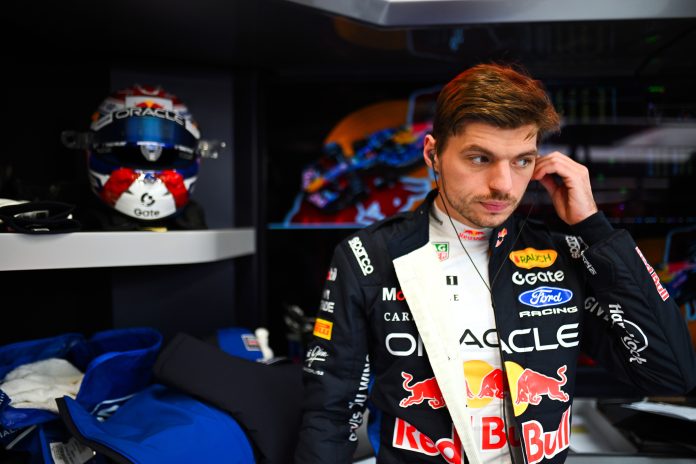
In a revealing and deeply personal interview with his sponsor Tag Heuer, Max Verstappen, the four-time Formula 1 world champion, opens up about the remarkable journey that has defined his career and shaped his unyielding mindset centered around victory. This conversation transcends the racetrack, offering insights into his formative years and the mental resilience that fuels his relentless ambition not just to compete, but to dominate.
Verstappen reflects on how his competitive spirit was molded from an early age, heavily influenced by his father, Jos, and his mother, both of whom have ties to motorsport. Family discussions were steeped in the relentless pursuit of excellence, with a focus on “being better and faster” from the time he was just seven or eight years old. This relentless drive to excel prepared him for the challenges of Formula 1, allowing him to approach the sport’s pinnacle with the confidence of someone who has already put in the “hard work” necessary to succeed.
The Dutch driver unequivocally states his purpose in the championship: “I am just here to win.” He emphasizes that participating without the pursuit of victory would strip the sport of its excitement and sustainability. For Verstappen, mental toughness is not merely a trait; it’s a skill that must be cultivated from within. He asserts that without this inner strength, a driver can only reach a limited level of resilience when faced with high-pressure situations.
Away from the hustle and glamour of Formula 1, Verstappen strives to maintain a grounded lifestyle. He consciously distances himself from the celebrity culture associated with the sport, surrounding himself instead with close family and friends who keep him humble. He understands the stark reality of his profession: performance is paramount, and failure to deliver results means he would be “out.”
This clarity of purpose is evident in his in-race mentality as well. Verstappen has trained with his father to avoid the pitfall of always operating at maximum capacity. He believes that the best drivers can achieve astonishing speeds at 85-90%, preserving mental acuity to analyze the race and make strategic decisions under pressure. This “extra capacity” is crucial for success at the highest levels of the sport, allowing him to monitor data and adapt on the fly.
Beyond the thrill of racing, Verstappen is dedicated to a project aimed at bridging the gap between sim racing and real-world motorsport. He seeks to provide opportunities for aspiring young drivers who lack the financial means to enter karting. This initiative has already seen success, with a sim racer making the transition to actual competition, and Verstappen is eager to see it grow organically.
Looking ahead, he doesn’t envision a future in management within Formula 1. Instead, he expresses a keen interest in endurance racing after he concludes his time in the sport. Regarding his legacy, Verstappen believes that his four championships “will last forever,” and he hopes his achievements will inspire the next generation of Dutch motorsport talent, invigorating the national motorsport scene. He firmly believes that he hasn’t yet reached his peak and is excited about the potential for further growth in the coming years, often finding himself astonished by the level of his own performances.