


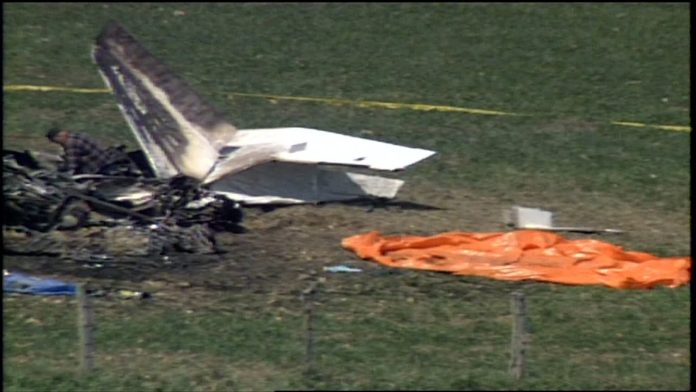
The NASCAR community is reeling from the tragic loss of Greg Biffle, one of the sport’s 75 Greatest Drivers, who was killed in a devastating plane crash. This sorrowful event serves as a grim reminder that the world of stock car racing has been marred by similar aviation tragedies in the past. As drivers frequently navigate the skies to attend multiple venues throughout the racing season, the risks of flying have unfortunately claimed lives and left scars on the sport. Biffle’s name now joins a somber list of NASCAR icons impacted by aviation disasters, highlighting the perilous nature of their profession.
One of the most haunting incidents occurred in 1993 when former NASCAR Cup Series champion Alan Kulwicki lost his life in a plane crash. Kulwicki, known for his iconic #7 Hooters car, was traveling with two Hooters executives from Knoxville when tragedy struck. On April 1, as their Swearingen Merlin III approached Tri-Cities Airport near Bristol, the aircraft encountered engine failure due to ice ingestion. The crash claimed the lives of all four individuals on board, including Kulwicki, marking a dark chapter in NASCAR history.
Just months later, the NASCAR world was rocked again by the death of Davey Allison, who perished in a helicopter crash on July 12, 1993. Allison, a celebrated driver with 19 Cup Series victories to his name, was en route to Talladega Superspeedway with fellow racer Red Farmer to watch a practice session. The helicopter, which Allison had bought just weeks earlier, crashed near the Cup Series garage. While Farmer survived with serious injuries, Allison’s life was tragically cut short, further deepening the sense of loss within the racing community.
The Hendrick Motorsports plane crash in 2004 stands as one of the most devastating aviation incidents in NASCAR. On October 24, a Beechcraft Super King Air 200 crashed near Bull Mountain, Virginia, after missing its landing destination. The crash claimed ten lives, including several key members of the Hendrick family – team owner Rick Hendrick’s son Ricky, brother John, and twin nieces Kimberly and Jennifer were among the victims. Remarkably, Rick Hendrick was not on the flight due to illness, but the news of this calamity devastated the team and its drivers, who learned of the tragedy only after their race concluded.
In a near-miss incident in 2011, Rick Hendrick and his wife, Linda, faced a harrowing experience when their Gulfstream 150 lost its brakes and skidded off the runway at Key West International Airport. Fortunately, this time, all passengers survived, though Rick suffered a broken rib and clavicle, while Linda sustained minor injuries. This close call served as a stark reminder of the dangers inherent in aviation, even for those who are accustomed to navigating the skies.
More recently, in 2019, former two-time NASCAR Xfinity Series champion Dale Earnhardt Jr. and his family were involved in a frightening plane crash. While flying from Elizabethton Municipal Airport to Statesville Regional Airport, the Cessna Citation 680 lost its right-side landing gear upon landing, resulting in a crash that ignited a massive fire. Fortunately, all onboard—including Earnhardt Jr., his wife Amy, their daughter Isla, and their dog Gus—escaped the incident, although the National Transportation Safety Board later attributed the crash to pilot error.
As the NASCAR community grapples with these past tragedies and the recent loss of Greg Biffle, it is clear that the skies can be as perilous as the racetrack. Each of these incidents serves as a potent reminder of the risks that drivers face beyond the roar of engines and the thrill of competition.