


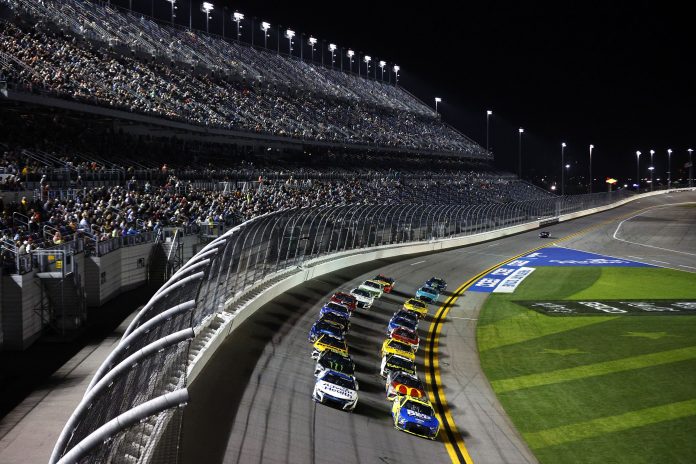
As the countdown to the Daytona 500 reaches a critical 62 days, the excitement surrounding NASCAR’s crown jewel is palpable. However, beneath the thrill of the impending race lurks a growing tide of concern among fans regarding safety protocols in the sport. For over sixty years, the Daytona 500 has stood as a symbol of racing glory, where legends like Richard Petty and Dale Earnhardt have left indelible marks at speeds approaching 200 mph. Yet, the shadow of past tragedies looms large, stirring anxiety about whether NASCAR is doing enough to mitigate hidden dangers that could jeopardize lives on the track.
Historically, NASCAR’s approach to safety has evolved dramatically. In its formative years, drivers raced without essential protective gear, such as full-face helmets or sophisticated fire suppression systems, and tracks were unforgiving, lined with hard concrete walls. The culture prioritized toughness over caution, resulting in frequent and brutal wrecks, a grim acceptance of injuries and fatalities as just part of the sport. This all changed on February 18, 2001, when Dale Earnhardt Sr., a towering figure in NASCAR, tragically lost his life in a crash that shocked the world. His death, caused by basilar skull fractures during what seemed like a routine accident, triggered a seismic shift in the industry, prompting an urgent reassessment of safety measures.
In the aftermath, NASCAR implemented a slew of transformative changes: the introduction of the HANS device, reinforced seat and belt systems, and SAFER barriers at key tracks, including Daytona. The evolution of car designs aimed to absorb impacts more effectively, while data-driven crash analysis became a cornerstone of safety strategies. These advancements have led to a significant decline in life-threatening injuries over the ensuing decades. Yet, as cars become faster and competition intensifies, new safety concerns constantly emerge, igniting discussions among fans who are acutely aware of the risks involved.
Recent discussions on platforms like Reddit highlight these anxieties, with fans posing critical questions about potential safety flaws that could lead to catastrophic accidents. The responses echo a collective memory of past tragedies, revealing a community that is not willing to overlook the dangers that still exist. The most pressing concern? The safety of pit road. One fan succinctly captured the danger: “100%. We have crew guys running out on pit road with cars at highway speeds driving just a couple feet away.” Despite NASCAR’s enforcement of speed limits that vary by track, the narrow margins of error when crew members enter the fray can lead to horrific consequences.
Particularly at superspeedways like Daytona and Talladega, the risks are magnified. The potential for a disastrous incident during green flag stops, reminiscent of past accidents, has many fans on edge. The haunting memory of Steve Park’s 2001 crash, where chaos ensued on the track, underscores the urgency of addressing the vulnerabilities of pit road.
Additionally, the rise in aggressive driving has sparked alarm among fans. One observer noted, “Jackass driving from drivers that don’t fear for their safety like they used to.” The desperation seen in moves during races often leads to unpredictable and dangerous scenarios, raising the stakes for all involved. The specter of roof-first impacts into catch fences remains a chilling fear for many, with one fan articulating, “My biggest fear is a car getting over or through a catch fence and going into the stands.” The tragic history of Russell Phillips’ fatal crash at Charlotte in 1995 looms as a terrifying reminder of what can happen when safety measures falter.
Moreover, the introduction of the single-lug wheel system has drawn scrutiny, with fans expressing disbelief that no serious injuries have occurred as a result of loose wheels. “With the number of wheels that have fallen off since the introduction of this car, it’s amazing to me that one hasn’t ended up in the stands yet,” one fan remarked. The specter of a wayward wheel striking a spectator remains an unsettling thought, especially in light of recent incidents involving loose wheels that could have had dire consequences.
For fans, these concerns are not mere complaints but urgent warnings aimed at ensuring the safety of drivers and crew alike. The hope is that NASCAR takes these observations to heart, fostering an environment where speed and safety can coexist harmoniously as the Daytona 500 approaches. The countdown continues, but so does the call for vigilance in the face of potential hazards that could overshadow the thrill of the race.