


For years, NASCAR enthusiasts have been left grappling with a haunting question: is the sport truly doing enough to safeguard its drivers? The once-constant dialogue about safety has been thrust into the spotlight with the advent of the Next Gen car, a groundbreaking vehicle that promised to revolutionize racing while ensuring competitive fairness. However, the reality of its introduction has been marred by troubling incidents, prompting fans and critics alike to scrutinize its effectiveness.
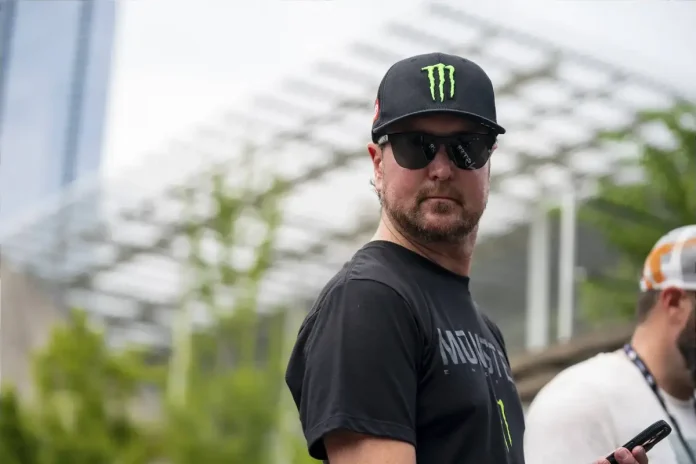
Now, as the debate shifts from racetracks to courtrooms, an antitrust trial has revealed growing tensions between NASCAR’s leadership and the teams that form the backbone of the sport. Central to this heated discourse is the tragic crash that abruptly ended Kurt Busch’s illustrious full-time racing career. This incident, which reverberates through the fanbase, has resurfaced in light of new testimonies, raising urgent questions about NASCAR’s commitment to driver safety.
In a striking moment during proceedings in Charlotte, NASCAR President Steve Phelps took the stand, asserting emphatically, “I believe this is the safest car in all of motorsports.” This proclamation, while intended to reassure, has left many fans and fellow drivers feeling unsettled. Busch’s harrowing experience in a Next Gen car during the 2022 race at Pocono, where he suffered debilitating concussion-like symptoms, casts a long shadow over Phelps’ bold assertion. After attempting a comeback, Busch ultimately had to step away from full-time racing, and his legacy now intertwines with the safety concerns surrounding the Next Gen vehicle.
For many, Phelps’ statement seemed not only misplaced but also disrespectful to Busch’s legacy. The backlash was swift and fierce, with fans recalling the alarming incidents involving fellow drivers like Denny Hamlin, Alex Bowman, and Ryan Preece. Each of these competitors has experienced severe impacts during the Next Gen era, with Hamlin noting the hits felt more punishing than ever before. Bowman faced concussion symptoms that sidelined him after a race in Texas, while Preece survived a terrifying flip in 2023 that shocked the garage.
The stark contrast between Phelps’ claims and the experiences of drivers raises critical concerns. As the sport grapples with its identity, Michael Jordan himself has weighed in, warning NASCAR that it is veering off course. He expressed concerns over an imbalance of power and the need for teams to have a tangible voice in the decision-making process. Although he never explicitly mentioned Kurt Busch, the implications of his comments resonate deeply, especially considering the circumstances surrounding Busch’s departure from racing.
The Next Gen was heralded as the sport’s future—a vehicle that would be not only safer but also more equitable for all participants. Instead, it has become emblematic of a rapid evolution that may have overlooked crucial safety considerations. This isn’t merely about Busch’s retirement; it reflects a broader narrative questioning whether NASCAR prioritizes control over the welfare of its drivers.
The courtroom drama has also shone a light on NASCAR’s contentious charter negotiations. Phelps described the arduous two-plus years of discussions as akin to “pulling teeth.” With Curtis Polk, Michael Jordan’s right-hand man, leading the charge for the teams, negotiations quickly devolved into a struggle for power and resources. Teams demanded more money, permanent charters, and a significant share of any new revenue, while NASCAR responded with a less favorable offer, ultimately leaving teams with an ultimatum: accept the deal or risk losing everything.
The fallout from these negotiations has been significant, with Denny Hamlin and Bob Jenkins of Front Row Motorsports refusing to sign, while the rest acquiesced. The trio’s refusal has now become a focal point in court, underscoring allegations that NASCAR operates like a monopoly, indifferent to the needs of its teams and drivers.
The intertwining narratives of Kurt Busch’s career-ending crash, Michael Jordan’s stark warnings, and Phelps’ candid admission about the trials of charter talks create a complex picture of a sport in turmoil. The very vehicle designed to elevate NASCAR may have inadvertently caused harm to one of its champions, while the deals intended to foster team satisfaction have led to legal battles. Meanwhile, Phelps maintains that the Next Gen car is the safest ever, despite mounting evidence suggesting that teams have little control over their own fate.
Though Kurt Busch may not be physically present in the courtroom, his legacy looms large. Each discussion surrounding safety, finances, and power dynamics inevitably brings his name into the conversation, serving as a potent reminder of the stakes involved in NASCAR’s evolving landscape.