


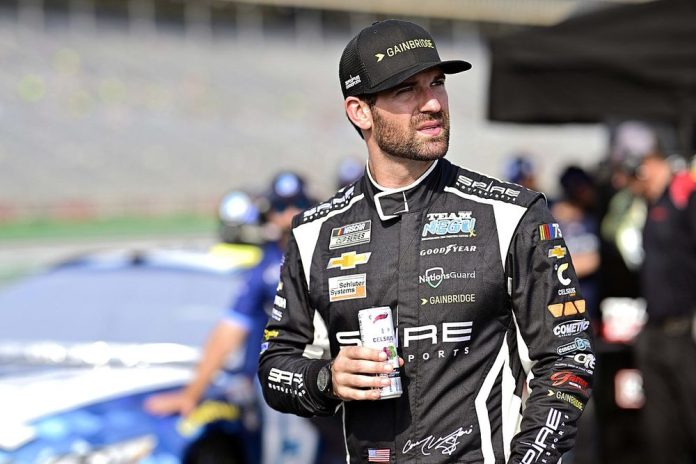
NASCAR, once a straightforward spectacle of speed and competition, has morphed into a battleground of opinions and outrage, with fans voicing their discontent louder than ever. The excitement of race day has been overshadowed by endless debates about the sport’s direction, particularly as it grapples with its evolution from its traditional roots. This transformation has sparked passionate reactions, drawing a line between long-time loyalists and a new generation of fans eager for change.
Corey LaJoie, a notable figure in NASCAR, has taken a bold stance amidst this chaos, pinpointing the detrimental impact of the incessant negativity that now permeates fan discussions. In a recent exchange on social media, LaJoie responded to a nostalgic tweet about the 2005 Coca-Cola 600, stating, “Because there wasn’t an echo chamber invented yet for everyone to pile their opinions onto every week…” This statement encapsulates the shift from a time when grievances were discussed privately to an era where every complaint is amplified online.
The current climate is fraught with discontent. Fans flood platforms like X with criticisms every race weekend, lamenting everything from the playoff format to the Next Gen car, which they claim is ruining the essence of racing. The sport’s ratings have dipped, and the chorus of disapproval only seems to grow louder. Yet, at its core, NASCAR has evolved into a business, fighting for its share of the sports market against the likes of Formula 1 and IndyCar, both of which have captured the attention of American audiences.
Business decisions drive NASCAR’s direction, often at the expense of its traditional fanbase. This balancing act—between drawing in new viewers and keeping loyal fans satisfied—is a precarious one. LaJoie’s commentary highlights a crucial point: while fans are entitled to their frustrations and critiques, the overwhelming negativity can overshadow the sport’s potential and progress. The echo chamber he refers to is not just a platform for venting; it can be a destructive force, influencing perceptions and attitudes towards NASCAR.
As the conversation shifts to LaJoie’s own career, speculation about his future continues to swirl, particularly regarding the iconic Daytona 500. This race, revered as the Super Bowl of NASCAR, represents not just a competition but a chance for drivers to make their mark. LaJoie participated in the 2025 edition, finishing P22 amid a whirlwind of typical Daytona chaos. Although this result wasn’t headline-worthy, it showcased his skill in navigating the unpredictable nature of superspeedway racing.
Looking ahead, LaJoie’s plans for 2026 remain uncertain. He has expressed a willingness to consider opportunities for Daytona, emphasizing his belief that he could compete for a win given the right circumstances. “I’ll entertain Daytona 500 offers because I think I can compete for a win in a decent car there,” he stated, highlighting both the allure of the race and the financial incentive it presents. However, he also made it clear that other offers, such as those in the Truck Series, don’t hold the same appeal for him.
Currently, LaJoie’s focus includes a role as an analyst for NASCAR media, ensuring he remains involved in the sport, albeit from a different angle. His future as a driver hinges on whether a competitive team emerges with a suitable offer for Daytona. Until then, fans may see him sharing insights from the booth rather than the driver’s seat.
The landscape of NASCAR is undeniably shifting, and as it navigates these turbulent waters, voices like Corey LaJoie’s serve as a reminder of the complexities involved. Balancing nostalgia with innovation, fan expectations with business realities, and tradition with the need for growth is no small feat. The road ahead may be fraught with challenges, but it also holds the potential for a vibrant and dynamic future in the world of racing.