


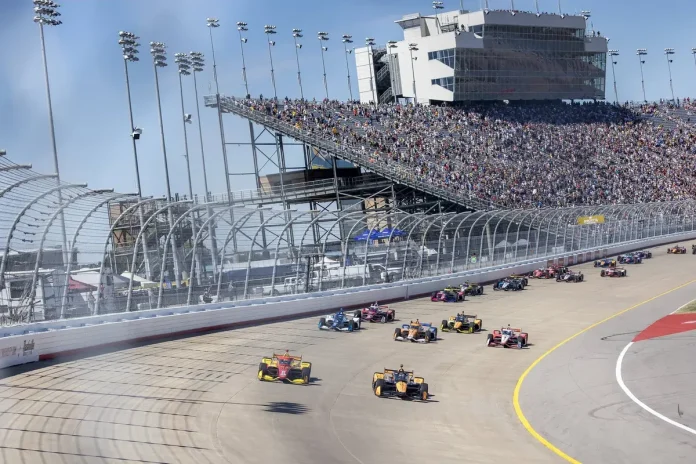
A seismic shift is underway in the world of motorsport, as the FIA has announced a groundbreaking change that significantly amplifies the opportunities for IndyCar drivers aiming to make the leap to Formula 1. Starting next season, drivers finishing between third and ninth in the IndyCar championship will now earn a greater allocation of FIA Super License points, a move set to reshape the competitive landscape and open new pathways to the pinnacle of racing.
This monumental decision was made during the recent World Motor Sport Council meeting in Uzbekistan, where the FIA emphasized its commitment to recognizing the “growing importance of the category.” This change comes as no surprise to those closely watching the evolving dynamics of racing, particularly as IndyCar continues to gain traction as a viable feeder series for F1.
Under the new regulations, drivers will need to accumulate a minimum of 40 points to qualify for a Super License, the same threshold currently reserved for the IndyCar champion. Crucially, while the points awarded to the top two finishers will remain unchanged, the points for those finishing third through ninth will see a significant increase. This adjustment is poised to create a more accessible route for talented drivers from North America to transition into the exhilarating world of Formula 1.
It’s important to note that in comparison, 40 points are also granted to the top three finishers in other prominent series like Formula 2, which has become a traditional stepping stone to F1. This parallel reinforces the competitive nature of the racing hierarchy and highlights the ongoing evolution of talent pathways within motorsport.
With this strategic enhancement of the point system, the FIA not only aims to elevate the profile of IndyCar but also to encourage more drivers, such as Colton Herta, who is poised to make his move from IndyCar to F1, to pursue their dreams on the global stage. The ripple effects of this policy change could be profound, as it may encourage a new wave of talent to emerge from North America, invigorating the competition in Formula 1 for years to come.
As the excitement builds ahead of the upcoming season, all eyes will be on how these new regulations will impact the IndyCar championship and its drivers’ prospects in the elite motorsport arena. The future looks bright for those ready to embrace the challenge and chase their Formula 1 aspirations.