


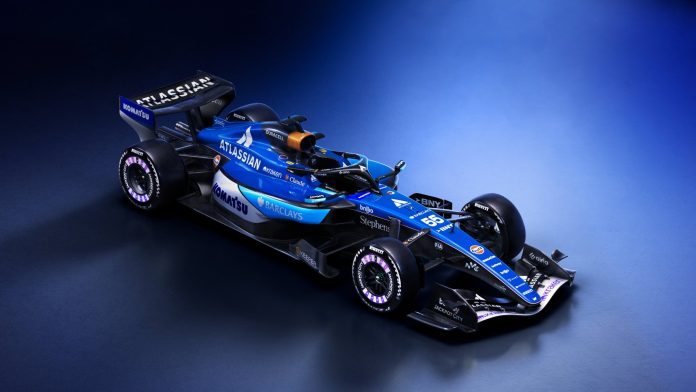
The absence of Williams Racing from the recent private testing in Barcelona is far from a simple logistical oversight; it’s a bold strategic maneuver that could redefine their future in Formula 1. According to team principal James Vowles, this decision is part of a larger, ambitious plan aimed at pushing the technical and organizational boundaries of the team to compete at a championship level by 2026.
Williams’ decision to forgo participation in Barcelona’s testing is a calculated risk that speaks volumes about their commitment to innovation. With the new regulations on the horizon, the team has opted to delay the finalization of critical components of their 2026 car, including the chassis, wings, floor, and bodywork. “Engaging too early risks arriving at the first race with a car that is already outdated,” Vowles stated, highlighting the precarious balance between achieving peak performance and adhering to industrial constraints.
However, this strategic choice has stretched the team’s operational limits, leading to extended manufacturing timelines that ultimately made it impossible for them to appear at the Circuit de Barcelona-Catalunya. Vowles candidly acknowledged, “I would have much preferred to be in Barcelona. That was the goal, but we didn’t make it.”
In the absence of on-track testing, Williams has ramped up its internal operations to ensure they are not left behind. They have implemented an extensive workload program that includes increased Virtual Vehicle Testing mileage, intensive simulator sessions for drivers Carlos Sainz and Alex Albon, and collaboration with Mercedes-AMG F1, which has completed over 500 laps in testing.
This partnership is expected to bolster Williams’ readiness for the official Bahrain tests. Yet, Vowles remains realistic about the limitations of their preparations. “There is a lack of real correlation between aerodynamics and the dynamic behavior of the car. Only the track can provide that insight,” he cautioned. Fortunately, they have partially mitigated this gap with a state-of-the-art onboard driving simulator, operational since last year.
As the countdown to the new season ticks away, Vowles advises caution when it comes to predictions. “At this point, no one knows the hierarchy. Absolutely no one.” This sentiment resonates throughout the paddock, as the 2026 regulations promise to significantly alter the competitive landscape of Formula 1.
With their eyes firmly set on the future, Williams Racing is taking bold steps in a high-stakes game, aiming to emerge as a formidable contender in the years to come. The world of F1 is watching closely as they navigate this pivotal moment in their history.