


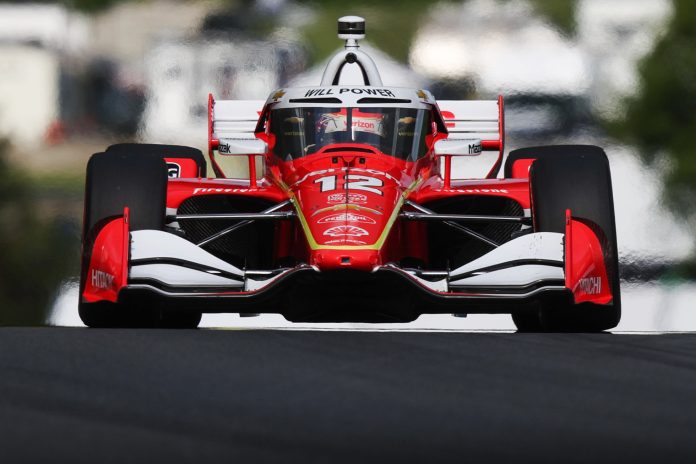
RACER’S Marshall Pruett has dedicated the past year to closely monitoring the groundbreaking advancements within the IndyCar Series, specifically focusing on the upcoming integration of a revolutionary hybrid system set to debut in 2028. This is more than just a technical upgrade; it’s a pivotal transformation poised to redefine the landscape of open-wheel racing.
As the clock ticks down to this monumental shift, the anticipation among fans and industry insiders alike is palpable. The new chassis and engine are not merely iterations of what has come before; they represent a bold leap into the future, combining cutting-edge technology with the thrilling spectacle that IndyCar has always promised. The hybrid system is designed to enhance performance while aligning with the growing global emphasis on sustainability in motorsport.
The implications of this hybrid evolution extend far beyond the racetrack. It signals a commitment to innovation that is essential not only for maintaining competitive edge but also for attracting a new generation of fans who are increasingly eco-conscious. With the world of motorsport under scrutiny for its environmental impact, IndyCar’s proactive measures could pave the way for other series to follow suit, establishing a new standard in racing.
Pruett’s meticulous tracking of these developments has unveiled a wealth of information about the intricate engineering and strategic planning that goes into the hybrid transition. Teams are racing against the clock, not just to keep up with technological advancements but to stay ahead of the competition in a sport where every fraction of a second can alter the course of a race.
As the 2028 season approaches, the excitement surrounding the IndyCar Series is at an all-time high. Fans are eager to see how these innovations will translate on the track, with expectations for increased speed and efficiency. The hybrid system not only promises to enhance the performance metrics of the vehicles but also aims to improve the overall racing experience, making it more exhilarating and accessible to audiences worldwide.
In this new era, the IndyCar Series is not just adapting; it is leading the charge into a future where speed, sustainability, and technology converge. The eyes of the motorsport community are firmly fixed on the developments that will unfold in the coming years, with the expectation that the hybrid system will set a new benchmark for excellence in racing. As we stand on the cusp of this transformation, one thing is certain: the future of IndyCar is bright, and it is just around the corner.