


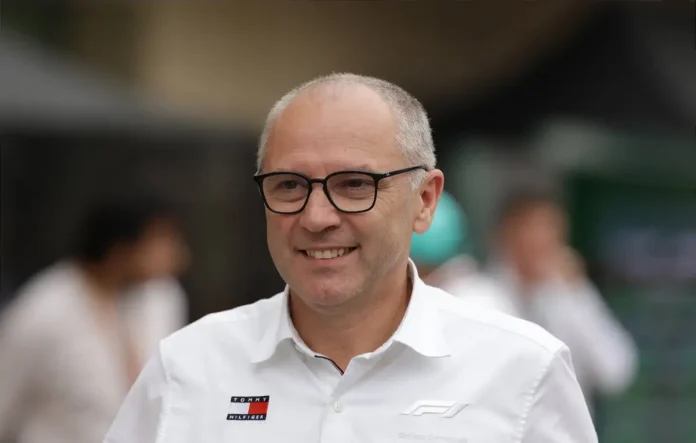
The racing world is on the brink of seismic shifts as Formula 1 gears up for the monumental 2026 season, ushering in a revolutionary era of chassis and power unit regulations that promise to transform the sport. Stefano Domenicali, the dynamic president and CEO of Formula 1, has boldly declared that the established “form book” will be utterly “ripped up” as these groundbreaking changes take effect.
Get ready for a new breed of cars that are not just smaller and lighter, but also equipped with cutting-edge technology like active aerodynamics. This means the Drag Reduction System, a staple in F1 strategy, will be retired, paving the way for a more intricate interplay between speed and handling. The anticipation is palpable as Domenicali forecasts a relentless evolution in the competitive hierarchy, predicting a “fast and intense development race” that will keep fans on the edge of their seats.
Out go the ground effect regulations that have defined the racing landscape since 2022, along with the engine specifications that have been in play since 2014. In their place, the 2026 regulations will usher in a new generation of racing machines that are expected to be 30 kilograms lighter and feature active aero on both wings. The shift towards a 50/50 split between electrical and internal combustion power in the new engines signifies a major leap in electrification, making energy management a crucial factor in performance.
Fueling this transformation is the commitment to sustainable biofuels, which will now power the internal combustion engines. Even the tyres will undergo a redesign, with Pirelli’s new compounds becoming 25 millimeters narrower at the front and 30 millimeters at the rear, setting the stage for even more dramatic on-track action.
With such sweeping changes, the big question looms: Will the teams that dominated the previous era be able to maintain their edge, or will the winds of change blow in new contenders? Domenicali leans towards the latter, confidently stating, “We will see brand-new cars with revised power units, which run advanced sustainable fuels. The form book will be ripped up. The pecking order will be up in the air.” He emphasizes that the initial positions on the grid will not reflect where teams find themselves by the end of the season, hinting at the exhilarating unpredictability that awaits fans.
Adding to the excitement, the arrival of automotive giants Audi and Cadillac into the F1 fold signals further change. The calendar will also see the introduction of the new Madrid street track, which is set to take over as the host for the Spanish Grand Prix. Additionally, the beloved Portuguese Grand Prix at Portimão will make its return starting in 2027, showcasing Formula 1’s commitment to expanding its global footprint.
Domenicali expressed enthusiasm for the future, stating, “Next year we will have Madrid joining the family and we are discussing with other countries about joining, too. Many want to be part of our show.” The push for a more sustainable race calendar is also a priority, with efforts underway to enhance the flow of races and minimize the environmental impact.
As we stand on the precipice of this exhilarating new chapter in Formula 1, one thing is certain: the 2026 season is set to rewrite the rules of racing, and fans can expect a thrilling ride filled with surprises, innovations, and fierce competition. Buckle up, because the race for supremacy is about to get a whole lot more intense.