


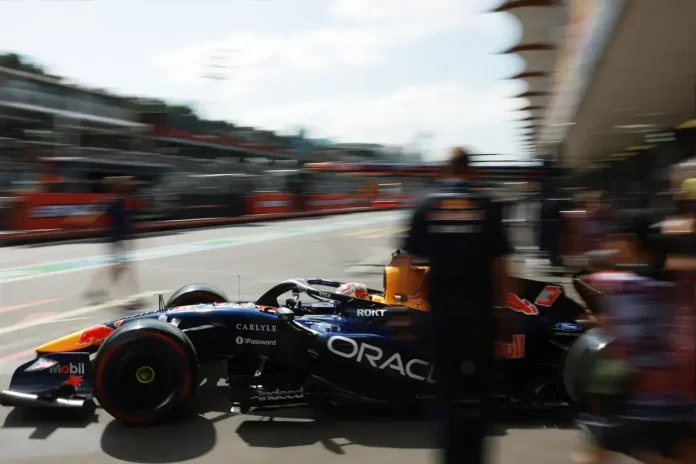
Max Verstappen’s triumph in the final practice session for the 2026 Azerbaijan Grand Prix marks a pivotal moment in the F1 season, but the real story lies beneath the surface. While Verstappen’s 0.099-second lead over George Russell showcased Red Bull’s potential, it was the turbulent conditions and the emotional backdrop of the race weekend that cast a shadow over the session.
As the wind whipped through the streets of Baku, it didn’t just affect the cars; it amplified the tension among drivers, teams, and fans alike. The precariousness of the session served as a stark reminder of the risks inherent in motorsport. With drivers like Lewis Hamilton and Charles Leclerc skirting the edges of control, the stakes have never felt higher. The gusty winds transformed the track into a treacherous arena, where one miscalculation could lead to disaster.
In chronological terms, the session unfolded with Russell initially setting the pace, only for Verstappen to seize the moment with a powerful tow that propelled him to the top of the timesheets. The top three were tightly packed, with just 0.111 seconds separating them, hinting at an intensely competitive qualifying session ahead. However, the gusts of wind meant that several drivers struggled, veering into runoff areas, heightening the drama on a circuit known for its unforgiving nature.
This session’s significance extends beyond mere numbers. The psychological pressure on Verstappen, who has been openly critical of his car’s performance, is mounting. His ability to extract the best from a challenging situation speaks to his resilience and skill, but it also raises questions about the underlying tensions within the Red Bull team. As the championship battle heats up, every fraction of a second counts, and the emotional toll on drivers becomes increasingly apparent.
The human dimension of this event cannot be understated. Team dynamics, family expectations, and the sheer weight of historical performance create a backdrop of pressure. For McLaren’s Lando Norris, who finished eighth, the pursuit of improvement is both a personal and collective challenge. The journey of each driver is intertwined with their teams, families, and fans, all of whom share in the triumphs and tribulations of the sport. The spectators, too, feel this emotional rollercoaster; the atmosphere in Baku is electric, a blend of anticipation and anxiety as the weekend unfolds.
As the teams prepare for qualifying, the lessons learned from FP3 will be pivotal. The combination of technical challenges and emotional pressure sets the stage for a gripping race day. Verstappen’s lead may seem like a victory, but the true battle lies ahead—one that will test not only the machines but the very resolve of those behind the wheel.
In the world of Formula 1, every session tells a story. As we look ahead to the Azerbaijan Grand Prix, the stakes have been raised. The real questions linger: Can Verstappen maintain his edge? How will the unpredictable winds shape the outcomes? And ultimately, who will emerge not just as a driver, but as a champion, navigating through the chaos of competition and the weight of expectation?