


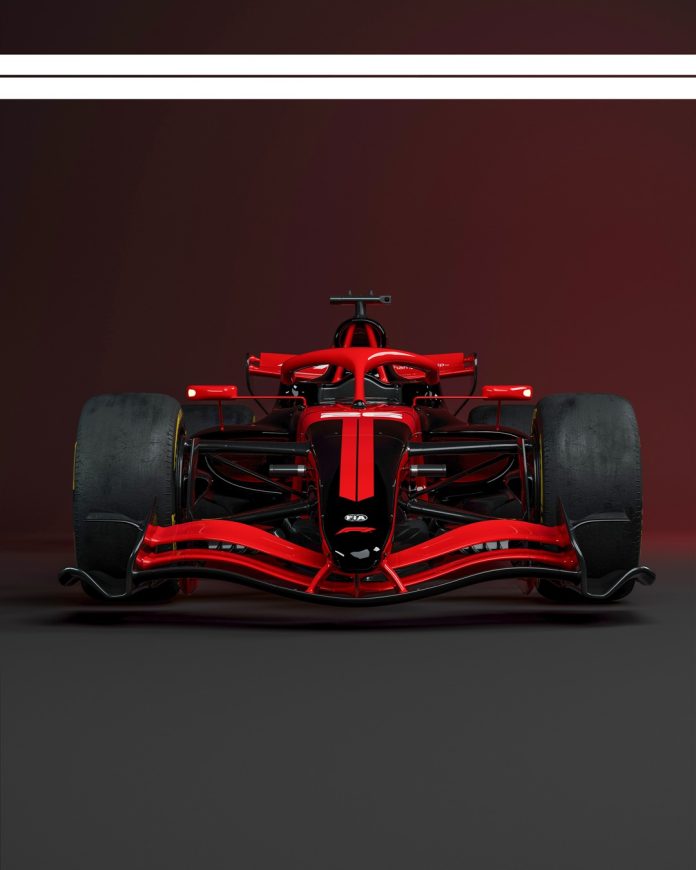
Formula 1 is gearing up for a monumental transformation as it unveils dazzling new car designs and groundbreaking terminology for the 2026 season. This exciting reveal isn’t just a visual feast for fans; it’s a glimpse into the future of motorsport, heralding a new era defined by cutting-edge technology and innovative regulations.
The 2026 season promises to be a game-changer with fresh technical regulations that introduce a 50-50 hybrid system paired with significant aerodynamic modifications. These advancements will result in lighter and smaller cars, setting the stage for more thrilling races. As the countdown to this pivotal year begins, the excitement is palpable among fans and teams alike.
In a stunning move, the FIA has already rolled out several eye-catching renders, but now the sport itself has stepped up to clarify and elaborate on these developments. The governing body’s single-seater director, Nikolas Tombazis, revealed that in-depth discussions are underway to establish precise terminology for new in-car features, ensuring clarity and consistency as the sport evolves.
Among these innovations are new modes designed to enhance overtaking and cornering capabilities, previously referred to as ‘X’ and ‘Y’. The term ‘Active Aero’ will now represent one of these modes, showcasing how cutting-edge technology will reshape race strategies. With the introduction of 50-50 hybrids, drivers will have access to an array of new modes that can be strategically employed for overtaking and defending their positions on the track.
One of the standout features of these new regulations is the ability for cars to adjust their front and rear wing elements based on their location on the circuit. The wings can switch to ‘low drag’ mode on straights, offering a significant advantage that extends beyond the traditional DRS system, allowing for usage on any lap.
Adding to the tactical depth, the ‘Overtake Mode’ will be activated when a driver is within one second of the car in front. This mode taps into electric energy, providing a critical boost when it matters most. Additionally, there is a ‘Boost’ mode, which can be utilized in both defensive and offensive maneuvers, as long as the car’s battery reserves allow for it.
Complementing these features are various modes for recharging the battery, facilitated by an advanced Energy Recovery System (ERS). This system is poised to revolutionize energy management in F1, allowing cars to “recharge the battery with twice as much energy per lap” through innovative methods such as recovery during braking or easing off the throttle at the end of straights. With this shift, the outdated MGU-H system will be retired.
The enhancements don’t stop there. The rigorous nature of crash tests has been escalated, and the roll hoop has been reinforced to withstand an impressive 23 percent more load, underscoring F1’s commitment to safety in an increasingly competitive environment.
As fans eagerly anticipate the arrival of the 2026 season, the excitement builds not just for the new regulations and cars but for the thrilling races that are sure to unfold. This transformation promises to elevate the sport to unprecedented heights, captivating audiences worldwide.