


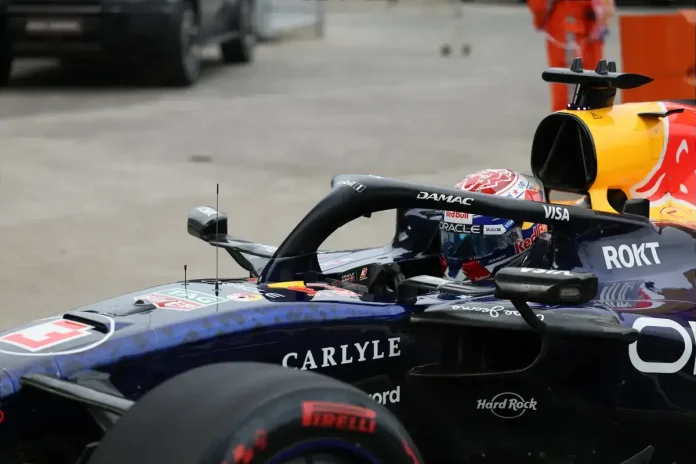
In the ever-evolving world of Formula 1, the narrative surrounding Red Bull Racing and their star driver, Max Verstappen, has taken a dramatic turn after just two races. Despite a disheartening start to the season, where Verstappen struggled to secure a sixth-place finish at the Australian Grand Prix and faced a dismal outing in Shanghai, it would be a colossal mistake to dismiss this powerhouse team so early in the race calendar.
The contrast between the two race weekends paints a vivid picture of a team grappling with early-season challenges. At Albert Park, Verstappen’s struggles were compounded by new recruit Isack Hadjar’s retirement due to a technical failure, signaling a rocky start. However, as they ventured to Shanghai for the first sprint of the season, the atmosphere was tinged with cautious optimism. That optimism quickly evaporated as Verstappen laid bare the team’s struggles, noting, “nothing was working properly.” The results were glaring—a lack of pace, grip, and effective tire management left Red Bull fans reeling.
However, before jumping to conclusions about the team’s fate this season, it’s essential to recognize a few key factors that could pave the way for a resurgence. The stark differences between circuit characteristics cannot be overlooked—Melbourne is notoriously tough for the new 2026 car, while Shanghai generally presents a more favorable environment. This early in the season, it’s crucial to remember that other teams are also wrestling with their own issues, as evidenced by reigning champions McLaren suffering a double DNF.
What fuels hope for Red Bull is Verstappen’s assertion that the problems faced in Shanghai were more about the car’s setup than any fundamental engine malfunctions. If the initial races had exposed serious engine issues, the outlook would be dire. Instead, the RB22 remains a vehicle capable of significant improvements. Last season, the Milton Keynes engineering team proved their mettle by making dramatic adjustments that rejuvenated their championship bid, and there’s no reason to believe they can’t replicate that success under the new regulations.
The heart of this team’s potential lies with Verstappen, who, for the first time this season, candidly expressed his frustrations post-race. His honesty is not merely venting; it’s a call to action, spotlighting the urgency needed to address the car’s shortcomings. Toto Wolff, team principal of Mercedes, echoed this sentiment, describing Verstappen’s experience in Shanghai as a “horror show.” Yet, it’s crucial to differentiate Verstappen’s frankness from dissent. There’s no indication of a rift; rather, the driver’s comments reflect a united front seeking improvement.
With the pressures mounting, the team has demonstrated remarkable unity, a stark contrast to the turbulence of past seasons. Verstappen is committed and hard at work, and there’s a palpable sense of determination within the ranks. Under the leadership of team principal Laurent Mekies, who embodies an analytical and humble approach, Red Bull is navigating these turbulent waters with confidence. Mekies, who has been at the helm for less than a year, faces significant challenges but has earned the trust of both management and drivers alike.
The pressure cooker environment of Formula 1 is relentless, yet there’s a strong belief that Red Bull can rebound. Given their history of bouncing back from adversity, it wouldn’t be surprising to see the team emerge revitalized after the upcoming break in April. As the season unfolds, the potential for a dramatic turnaround remains very much alive, ensuring that Verstappen and Red Bull Racing should never be counted out.