


The motorsport world is buzzing with excitement and apprehension as the announcement of the Australian Grand Prix’s move from the storied Phillip Island Circuit to a new urban layout in Adelaide in 2027 sends shockwaves through the paddock. This bold transition, orchestrated by Liberty Media and MotoGP Sports Entertainment, has sparked heated debates among fans and insiders alike, many of whom view it as a sacrilege against the rich heritage of motorcycle racing.
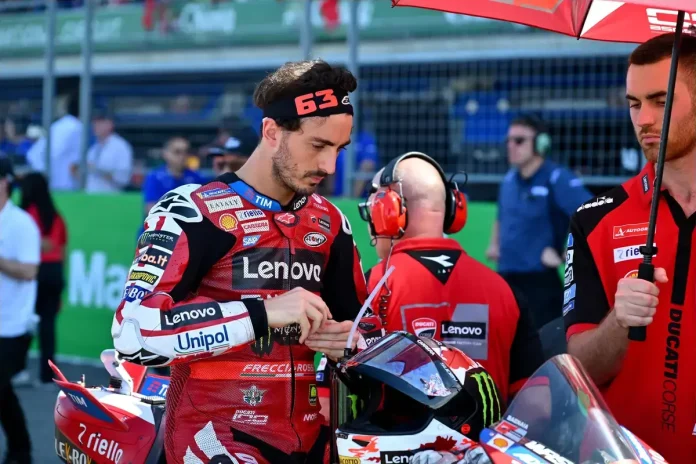
Pecco Bagnaia, the two-time world champion from Ducati, finds himself at the center of this controversy, offering a perspective that balances curiosity about the technical aspects of urban racing with a firm commitment to safety. He succinctly captures the crux of the dilemma facing the championship, which is caught between the allure of modernization and the risk of losing its core identity.
Starting in 2027, the Australian Grand Prix will abandon its traditional home at Phillip Island, known for its breathtaking coastal views and exhilarating track layout, to embrace the streets of Adelaide, reminiscent of former Formula 1 circuits. This monumental shift has been met with a chorus of criticism, particularly regarding the economic and symbolic implications for Phillip Island and its legacy in the MotoGP calendar.
In a candid discussion about the impending change, Bagnaia did not dismiss the idea of urban racing outright. Instead, he expressed a willingness to explore this new frontier—provided that certain conditions are met. “If the track is safe and we can race in a pleasant environment without having to do it on a parking lot, then I’m happy,” he stated, highlighting the importance of maintaining the integrity and authenticity of the racing experience.
Bagnaia’s comments underline a crucial point: while he is not inherently opposed to urban circuits, he draws a firm line against the trend of creating artificial tracks devoid of character, constructed solely to cater to commercial interests. His frank assessment of the Adelaide layout—“Adelaide seems much better than Balaton Park, which is essentially a parking lot”—is both a critique of previous urban designs and a hopeful nod toward what could lie ahead.
The departure from Phillip Island represents more than just a geographical shift; it signals a significant transformation within the MotoGP landscape. Moving to urban venues aligns the series closer to the model established by Formula 1—offering more accessible and media-friendly events, yet also raising concerns about the consequences of such a change. Bagnaia himself acknowledges the emotional weight of losing a track like Phillip Island. “Of course, losing a circuit like Phillip Island is emotionally difficult; it was really great to race there,” he reflected, capturing the essence of what makes MotoGP special.
Phillip Island is not just a racetrack; it embodies the spirit of MotoGP—speed, commitment, and pure entertainment. With this strategic pivot, Liberty Media aims to reshape the championship, attract a diverse audience, and create immersive experiences around the races that align with modern entertainment standards. However, this ambitious vision is fraught with risk. Urban circuits might promise enhanced visibility and a more engaging atmosphere for spectators, but they also raise critical questions: Will safety measures be adequate? Will the courses challenge riders effectively? Will the essence of competition remain intact?
Bagnaia’s reference to “parking” encapsulates a significant concern: the potential for MotoGP to drift away from its foundational roots. By endorsing the urban project while articulating clear stipulations, Bagnaia adopts a balanced and strategic stance. He is open to the evolution of MotoGP but is adamant that this progression should not compromise the very essence of the sport.
The message from Bagnaia is unambiguous: yes to spectacle, but not at the expense of quality. As MotoGP stands on the brink of transformative change—with Liberty Media at the helm, urban circuits on the horizon, and the pressures of globalization mounting—striking a balance between innovation and tradition will undoubtedly be one of the defining challenges in the years to come.