


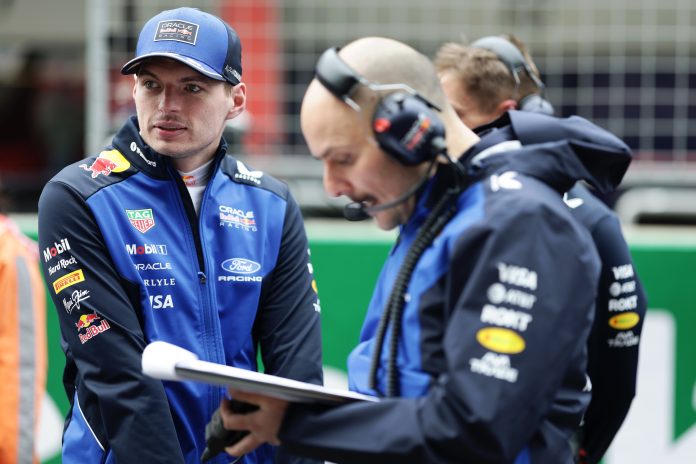
The impact of Max Verstappen’s unfiltered critique of Formula 1 reverberates across the sport, challenging the very foundation upon which it is being marketed. As a four-time world champion, Verstappen carries a weight that few can match, and his recent branding of F1 as “artificial” has sent shockwaves through the ranks of Liberty Media, the sport’s owners. This stark assessment, likening F1 to the likes of Formula E and even the whimsical Mario Kart, is a rallying cry for motorsport purists but a potential nightmare for those in charge of F1’s glamorous façade.
Liberty Media has poured hundreds of millions into transforming Formula 1 into an entertainment juggernaut, aiming to capture the attention of a younger audience raised on shows like Drive to Survive. When the sport’s top driver publicly derides it, it raises alarms about the effectiveness of their carefully crafted marketing strategy. The tension is palpable: while the organization seeks to align F1 with glitz and extravagance, Verstappen’s grounded perspective serves as a sobering reminder of the sport’s roots.
This clash of visions prompts a critical question: can both sides coexist without compromising their respective identities? For Liberty Media, the challenge lies in maintaining the allure of the sport while managing Verstappen’s candid portrayals that threaten to pull back the curtain on the spectacle. Yet, for fans, the Dutch driver’s honesty is a refreshing antidote to the scripted narratives often promoted by corporate interests. His straightforwardness fosters a connection with the audience, preserving the essence of what makes motorsport thrilling and genuine.
Verstappen’s personal brand remains largely untarnished despite his bold comments. His status as a champion affords him a unique position where his criticisms are viewed less as attacks and more as reflections of authenticity. This dynamic creates an intriguing push-and-pull: while Liberty Media focuses on financial growth and commercial appeal, Verstappen acts as a custodian of the sport’s integrity.
Ultimately, this relationship is symbiotic. The sport thrives on the presence of a dominant figure like Verstappen, who not only enhances its competitive landscape but also questions its direction. Should he ever feel that his talents are better suited elsewhere, the ramifications for Formula 1 could be significant, far exceeding the impact of his outspoken remarks. In a sport that thrives on competition, losing a champion of Verstappen’s caliber could prove more damaging than any critique he has delivered.