


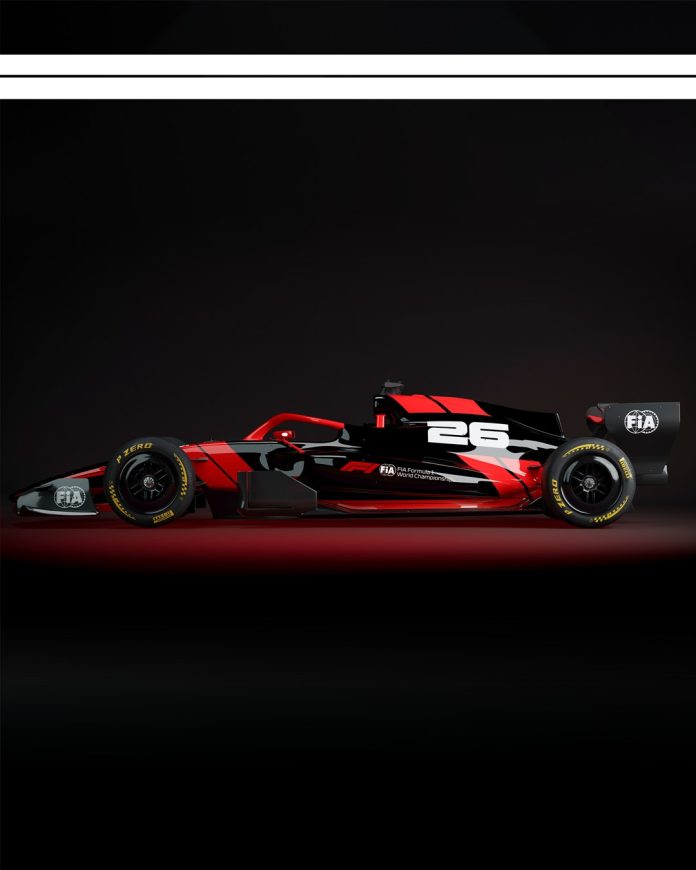
Formula 1 is shaking up the motorsport world with stunning new renders of the 2026 cars that promise to revolutionize racing as we know it. Fans and enthusiasts alike are buzzing with excitement after the official release of these striking images that showcase the futuristic designs of the upcoming season’s contenders. This bold visual unveiling offers a tantalizing glimpse into what we can expect to see on the grid, with the FIA previously teasing the concept through a 3D-printed model in Abu Dhabi.
The anticipation is palpable as seven out of the eleven teams have already announced plans for their livery launches or car unveilings, a clear indication that the upcoming season is poised to kick off with unprecedented momentum. With a packed pre-season schedule, the rush to showcase these new machines is unlike anything seen before. The introduction of groundbreaking regulations will see a total of eleven testing days on the calendar, allowing teams and drivers to adapt to the completely reimagined chassis and power unit specifications that will define F1 2026.
These fresh regulations are not just cosmetic; they will drastically alter the dynamics of the sport. Drivers will enjoy increased control over their machines, thanks to innovations like active aerodynamics, which enable them to adjust both front and rear wing angles during the race. This feature is designed to enhance performance and provide strategic advantages, potentially leading to nail-biting on-track battles.
One of the most exciting aspects of the 2026 cars is their aerodynamic efficiency. With a remarkable reduction in drag of up to 40%, these vehicles are set to achieve breathtaking top speeds. The traditional Drag Reduction System (DRS) is being replaced by the innovative ‘Overtake Mode,’ which grants drivers an extra power boost when they are within one second of the car ahead, intensifying overtaking opportunities and thrilling spectators.
In addition to their streamlined designs, the new cars will be shorter and narrower, making them more agile and responsive to driver inputs. The introduction of ‘Boost Mode’ allows drivers to strategically deploy battery power, enhancing both defensive and offensive maneuvers during races. The electrification of these vehicles has received a significant upgrade, allowing for an exhilarating experience on the track.
While the new designs promise enhanced speed and maneuverability, there is a trade-off. The shift from ground effect aerodynamics is expected to reduce overall downforce by 15-30%, which may result in decreased cornering speeds. However, this compromise could ultimately lead to more thrilling races, as drivers navigate the balance between speed and control.
As the countdown to the 2026 season intensifies, the excitement surrounding these revolutionary changes is undeniable. Formula 1 is on the brink of a new era, and fans are eagerly awaiting the moment when these innovative machines take to the track, ready to redefine the boundaries of motorsport.