


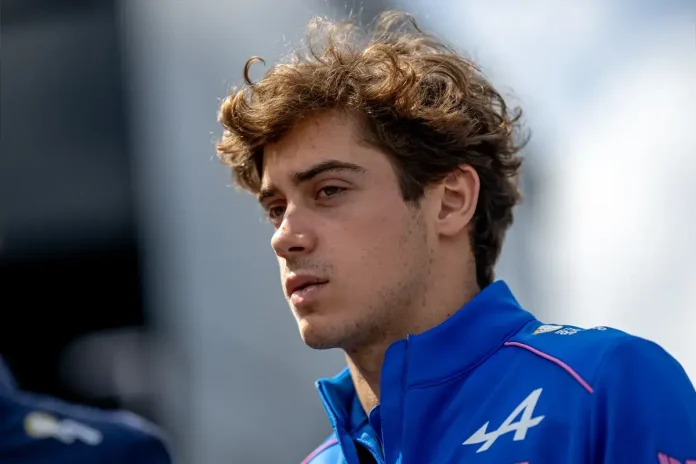
The recent drama in the Alpine team during the Madring race has revealed a troubling undercurrent in motorsport: the toxic nature of online abuse directed at athletes. Pierre Gasly's frustration with team strategy was not just a matter of race tactics; it became a flashpoint for a much larger conversation about the treatment of drivers in the digital age.
Gasly's complaints about being left on hard tires while his teammate, Colapinto, clamored for a position swap, demonstrated not just a breakdown in communication but also the immense pressure drivers face. The chaotic pit stop sequence, where Colapinto's desperate pleas on the radio echoed the sentiments of frustrated fans, underscores how high-stakes decisions can spiral into personal attacks. Following the race, Gasly found himself the target of online vitriol that, he stressed, extended beyond him to his family—a line that should never be crossed.
Chronologically, the tension began when Gasly, struggling with a tiresome pace, voiced his discontent to his engineer, prompting Colapinto's heated demands for a swap as they approached their final pit stops. Despite the chaotic exchanges, the team ultimately decided against a swap, leading to Gasly finishing behind his teammate. This moment, seemingly just another strategy misstep, quickly transformed into a specter of online harassment that Gasly called “disturbing,” emphasizing that such behavior is becoming all too common in the sport.
The implications of this incident stretch far beyond a mere race result. Gasly's experience is a stark reminder of the pressures athletes face, not only on the track but also in the digital arena, where anonymity can breed cruelty. This moment raises critical questions about the culture surrounding professional sports, particularly how social media can amplify negative sentiments and encourage harassment. The emotional toll on athletes, who often put their heart and soul into their sport, cannot be understated.
The human aspect of this narrative is profound. Gasly and Colapinto are not just competitors; they are part of a team with families who bear the brunt of online abuse. When Gasly spoke about the impact on his loved ones, it highlighted a deeply troubling reality—athletes are often treated as public property, their personal lives exposed to the whims of faceless critics. Colapinto's solidarity with Gasly reflects a growing awareness among drivers that they must support one another against the tide of negativity, advocating for a healthier environment in motorsport.
In conclusion, the events at Madring serve as a critical juncture in the conversation surrounding athlete welfare and online behavior. Gasly’s call for change is not just about him—it’s about fostering respect in a sport that thrives on passion and competition. As the motorsport community grapples with these issues, the hope is that this moment can lead to a more supportive atmosphere, both on and off the track, where drivers can compete without fear of personal attacks.