


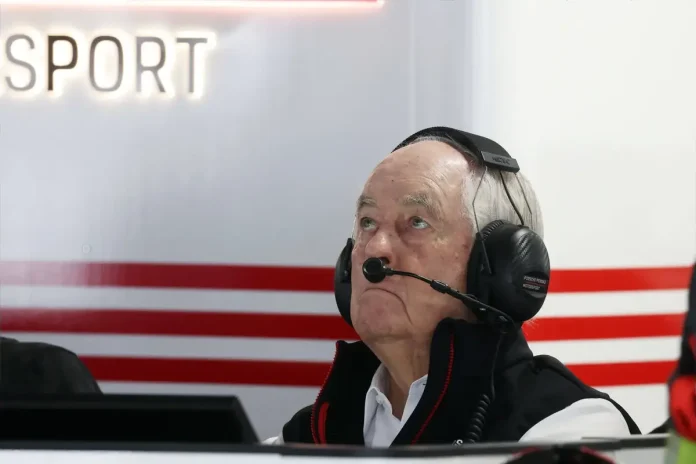
In a bold move that could reshape the landscape of motorsport officiating, Roger Penske’s IndyCar series has announced a groundbreaking shift towards an independent, non-profit officiating system ahead of the 2026 season. This decision comes in stark contrast to NASCAR’s often-criticized approach, marked by a history of controversial calls that have left fans and teams frustrated. From the infamous “Spingate” scandal in 2013 to the bizarre penalties imposed on drivers, NASCAR’s officiating has frequently come under fire, prompting many to question whether the organization has truly learned from its past missteps.
IndyCar’s new structure features a three-member board comprising industry veterans, including Ray Evernham, a legendary figure from Hendrick Motorsports, alongside former Ford executive Raj Nair and FIA representative Ronan Morgan. This diverse panel was established through a vote among IndyCar owners, ensuring that the decisions made on race day will be free from interference by Penske Entertainment or any internal conflicts of interest. The appointment of a Managing Director of Officiating will oversee all aspects of race control and technical inspections, marking a significant step towards transparency and fairness in officiating.
Evernham, who played a pivotal role in Jeff Gordon’s three NASCAR Cup Series championships, brings a wealth of experience to the board. His track record includes spearheading Dodge’s successful return to NASCAR, showcasing his deep-rooted knowledge of the sport. Nair contributes over three decades of expertise, having held senior positions at influential automotive firms, where he oversaw Ford’s racing programs. Meanwhile, Morgan’s extensive background spans 50 years, during which he has served in various capacities, including as the sporting manager of the Abu Dhabi Formula 1 Grand Prix.
This shift away from the previously insular officiating model is a clear response to the need for a more accountable system in IndyCar, which historically relied on Penske’s own choices for race officials. The establishment of an independent board could serve as a template for NASCAR and Formula 1, both of which face their own officiating challenges. NASCAR’s centralized race control system has drawn criticism for its lack of transparency, while Formula 1’s reliance on volunteer stewards has led to calls for a more consistent and professional approach to officiating.
Drivers in both NASCAR and F1 have voiced their concerns about the current systems. Mercedes driver George Russell recently highlighted the need for paying stewards adequately to ensure consistent decision-making throughout the racing season. The financial backing for professional officials could elevate the standard of officiating in both series, making IndyCar’s independent model even more appealing as a benchmark for improvement.
As IndyCar takes this significant leap forward, it raises the question: can NASCAR and F1 embrace similar changes to enhance their officiating credibility? The motorsport world is watching closely as this new era unfolds in IndyCar, hoping it inspires a broader transformation across the racing landscape. With Penske at the helm, the future of officiating might just be on the verge of a revolutionary change, paving the way for a more equitable and respected approach to race management.