


In a bold move aimed at enhancing fan engagement, Formula 1 has unveiled a streamlined naming strategy for key components of its highly anticipated 2026 regulations. This initiative, which has emerged from a growing concern within the FIA and F1 management about the potential for confusion among viewers, seeks to clarify the intricate jargon that often clouds the sport. Recent research highlighted a startling disconnect, revealing that over 10% of fans in focus groups still struggled to recognize the Drag Reduction System (DRS), despite its presence in F1 for nearly 15 years.
As the sport gears up for the introduction of these complex new rules, which will incorporate advanced energy systems and modified wing configurations, the risk of alienating fans has never been greater. The previous nomenclature, including the somewhat comical ‘MOM’ for Manual Override Mode, underscored the need for a more coherent approach. Initial designations like X-mode and Z-mode for the new active aero settings only added to the confusion, prompting a comprehensive review involving discussions with teams, engineers, and fans.
The newly agreed-upon terminology breaks down into four distinct categories, each designed to simplify understanding for all audiences. Overtake Mode replaces the cumbersome Manual Override Mode, allowing drivers within one second of their competitors to unleash additional power for a strategic pass. Boost Mode enables the use of battery power harvested from the Energy Recovery System (ERS), giving drivers the flexibility to mount attacks or defend against challengers at any point on the track.
Recharge Mode signifies the process by which drivers restore their battery power through various techniques such as lift-and-coasting, strategic braking, or maintaining throttle in certain corners. Lastly, Active Aero refers to the adjustable front and rear wing elements that will dynamically alter drag and downforce levels throughout the race, featuring distinct Corner and Straight modes for optimal performance.
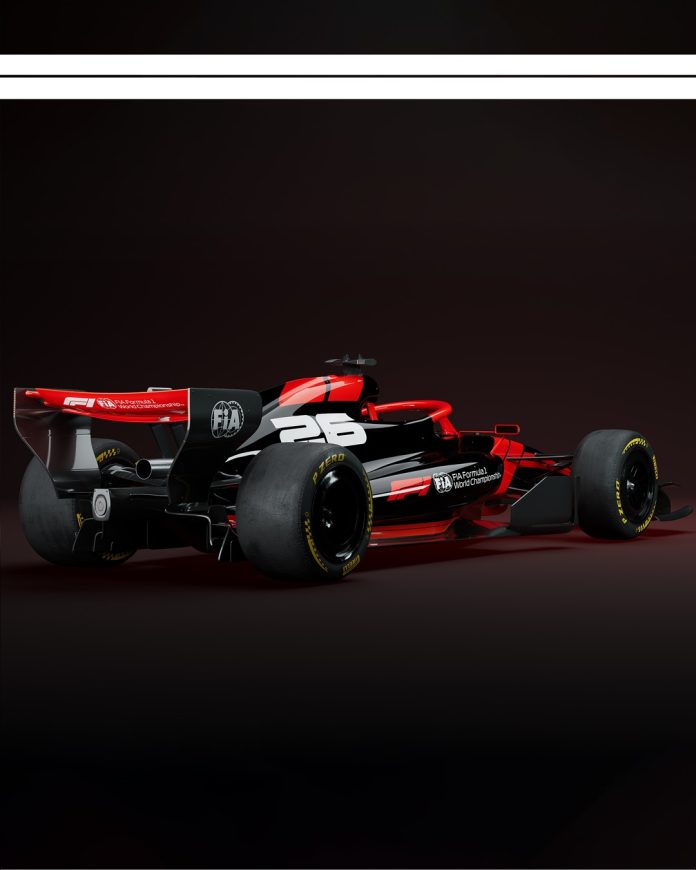
Accompanying the announcement of these new terms are striking visual representations of the 2026 cars, which promise to be lighter and more agile. With a projected weight reduction of 30 kg compared to the 2025 models, these machines are set to revolutionize the racing experience. Moreover, the anticipated drop in downforce by 15-30%, coupled with a remarkable 40% decrease in drag due to the implementation of active aero, signals a new era of racing dynamics that could elevate competition to unprecedented levels.
As F1 steps into this transformative phase, the emphasis on clarity and fan connection is more crucial than ever. With these changes, the sport aims not only to inform but to enthrall its audience, ensuring that every lap is as thrilling and comprehensible as possible. The stage is set for a captivating future in Formula 1, where understanding and excitement go hand in hand.