


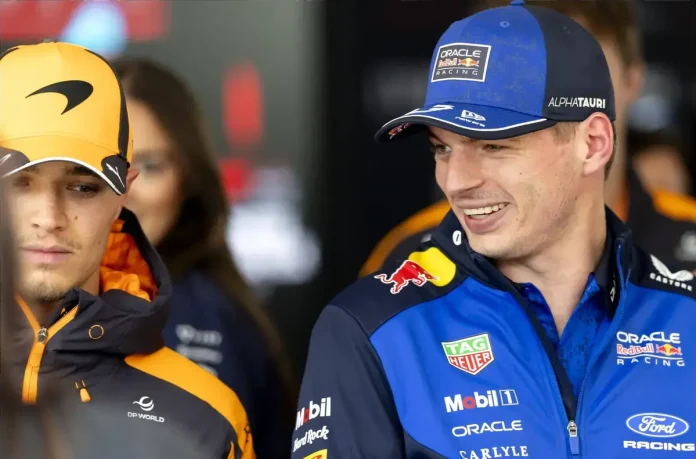
Former Formula 1 star Juan Pablo Montoya has thrown down the gauntlet, calling for decisive action against Max Verstappen and Lando Norris over their scathing critiques of the upcoming 2026 regulations. Montoya, a celebrated race winner, has taken a stand, urging the sport’s decision-makers to send a clear message to those who undermine the integrity of Formula 1.
The new technical regulations have sparked fierce debate among drivers and fans, with many questioning whether these changes are truly necessary. Verstappen, known for his outspoken nature, has not held back, likening the current state of the sport to “Mario Kart” and branding it as “a joke” and “Formula E on steroids.” His words have sent shockwaves through the F1 community, prompting discussions about the direction the sport is headed.
Norris has joined the chorus of discontent, candidly expressing that driving the new cars is “probably not something any of us grew up wanting to do.” Such frankness from top drivers raises eyebrows and reflects a growing disillusionment with the sport’s trajectory. Montoya, however, is unimpressed by this critical stance and believes it’s time for a reality check.
He emphatically stated, “At some point, Formula 1 needs to do what the sports world in the United States does: for people who don’t respect the sport, there’s the door.” Montoya’s message is clear: those who fail to appreciate the sport’s legacy and evolution should face consequences, whether through fines or other measures, to instill a deeper respect for the discipline.
The 2026 F1 cars have not only faced backlash from drivers but have also ignited heated discussions among fans. While some celebrate the increased overtaking opportunities and unpredictability that the new regulations promise, a significant number of drivers remain vocal in their dissatisfaction.
Montoya’s remarks encapsulate the growing divide within the sport, as two factions emerge: those embracing the changes and those resisting them. He acknowledges the right to express opinions but emphasizes that there is a line that should not be crossed. Mocking Formula 1 and trivializing its complexities should not be tolerated, he insists.
As the debate rages on, the future of the 2026 regulations hangs in the balance. If drivers continue to voice their frustrations, the sport may be forced to reconsider the path it has chosen. The question looms large: how will the powers that be respond to this growing dissent, and will they take the necessary steps to protect the sanctity of Formula 1? The stage is set for a dramatic showdown as the sport grapples with its identity amidst a sea of criticism.