


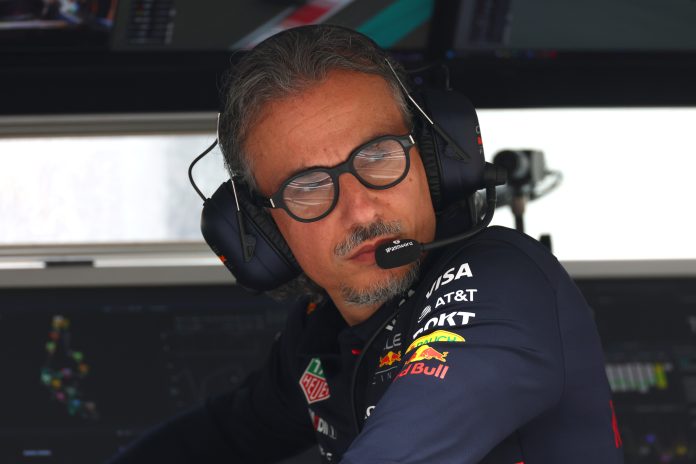
In a dramatic shift within the Formula 1 landscape, Laurent Mekies has taken the reins at Red Bull Racing, stepping into the formidable shoes of Christian Horner after his abrupt departure. This transition, which occurred just after the British Grand Prix during the F1 2025 season, marks a pivotal moment for the team as they seek to redefine their path moving forward. Mekies, who previously led the sister team Racing Bulls, has emphasized the need for a “complete reset” in both strategy and mindset to steer the iconic team back to its winning ways.
Following a lengthy tenure of 20 years under Horner’s leadership, Mekies finds himself grappling with the immense pressure that comes with leading a top-tier Formula 1 team. His promotion came as a surprise, especially given his recent history of gardening leave after a stint as Ferrari’s sporting director. Despite the challenges, he embraced the opportunity, recognizing the need to shift from Racing Bulls’ culture to the more intense and competitive environment of Red Bull Racing.
Mekies has made it clear that his early contributions to the team’s performance have been minimal at best. He candidly admitted, “I think you really have to make a conscious effort not to refer back to Racing Bulls because of how different the projects were.” This statement underscores the stark contrast between the two teams, highlighting the unique challenges he faced in adapting to a new set of dynamics. The importance of this mental reset cannot be overstated; Mekies has acknowledged the support he received from his new team, which has been instrumental in facilitating his transition.
As the 2025 season unfolded, Red Bull Racing began to show signs of improvement, coinciding with Mekies’ leadership. However, it is crucial to note that the performance upgrades that contributed to this resurgence were initially approved while Horner was still at the helm. By the end of the season, the RB21 had become a formidable competitor, with Max Verstappen battling for the championship title, ultimately falling just two points short of Lando Norris. This marked an incredible turnaround for a team that had struggled to find consistency earlier in the season, particularly in optimizing the car’s performance.
Mekies remains steadfast in his belief that his role has not significantly impacted the team’s on-track results. He stated, “I still mean it! I think it’s an outstanding group that never gives up.” His focus has been on fostering an environment where technical discussions can thrive, stating, “The job is to protect the group in such a way that they can concentrate on what they are so good at.” This commitment to cultivating a positive team atmosphere is essential, especially as they navigate the complexities of competitive racing and the pressure to deliver results.
Looking ahead, Mekies has acknowledged the necessity of delving deep into the RB21 project as they prepare for the 2026 season. His strategy involves understanding the car’s performance and ensuring that the same methodologies and processes will be in place for future designs. “We didn’t want to go for the wishful thinking,” he explained, emphasizing the importance of addressing the root causes of any performance issues rather than simply hoping for better outcomes in the coming seasons.
While there are still uncertainties surrounding how these strategies will play out in 2026, Mekies is optimistic about the team’s cohesion and resilience. “It’s certainly put the group even more compact, even more tight together,” he noted, a sentiment that bodes well for their future endeavors. As Red Bull Racing looks to reclaim its status at the pinnacle of motorsport, the groundwork laid by Mekies will be crucial in navigating the challenges that lie ahead. The stakes are high, and the world will be watching closely to see if Mekies’ vision can transform Red Bull into a championship-winning team once again.